A roof insurance adjuster evaluates your property for storm-related damage and differentiates it from normal wear and tear to determine coverage under your policy. Homeowners should provide documentation and point out specific leaks while avoiding guesses about the cause of damage or admissions of maintenance neglect. Having a professional contractor present during the inspection helps ensure all structural damage is recorded accurately and consistently.
Watching a severe storm roll across the North Texas plains is stressful enough, but realizing you must navigate a complex insurance claim is where the real anxiety begins for most homeowners. In the DFW Metroplex and Sherman area, the insurance adjuster visit often feels like a high-stakes examination where a single misunderstanding could lead to a denied claim or an undervalued settlement. This meeting is the most critical phase of your restoration process; it requires a strategic approach to ensure your property is accurately assessed and fully covered. This guide provides a practical roadmap for the inspection day. We will explore how to prepare your home, the specific terminology you should use to protect your claim, and what pitfalls to avoid during the conversation. You will also discover why having an expert contractor present is the most effective way to ensure no damage is overlooked.
Navigating the Roof Insurance Adjuster Visit in DFW
North Texas homeowners are no strangers to the violent hailstorms and straight-line winds that frequently sweep through the DFW metroplex. When the clouds clear and you are left surveying dented gutters or missing shingles, the initial shock often turns into a stressful race to protect your property from further damage. The most critical milestone in securing professional storm restoration services is the arrival of the roof insurance adjuster. This individual acts as the pivotal figure in the restoration process, serving as the primary bridge between your policy language and the actual funding for your repairs.
At Three Crosses Roofing & Restoration, we view this process through the lens of our veteran-owned values. Integrity and transparency are the foundation of our insurance claim expertise, especially in an industry where homeowners often feel left in the dark during the evaluation phase. We understand that for many Sherman families, this inspection feels like a high-stakes examination. By approaching the adjuster visit with factual data and clear documentation, you can move past the stress and toward a successful recovery.
Who is the Roof Insurance Adjuster and What is Their Role
The roof insurance adjuster you meet on-site generally falls into one of two categories: a staff adjuster or an independent adjuster. A staff adjuster is a full-time employee of your insurance carrier, while an independent adjuster is a third-party contractor hired by the company to handle claims, particularly after major North Texas storm fronts when volume is high. Regardless of their employment status, their primary objective remains the same; they are tasked with verifying the "cause of loss." This means they must determine if the damage was caused by a sudden, covered event, such as a recent hailstorm, rather than gradual wear or lack of maintenance.
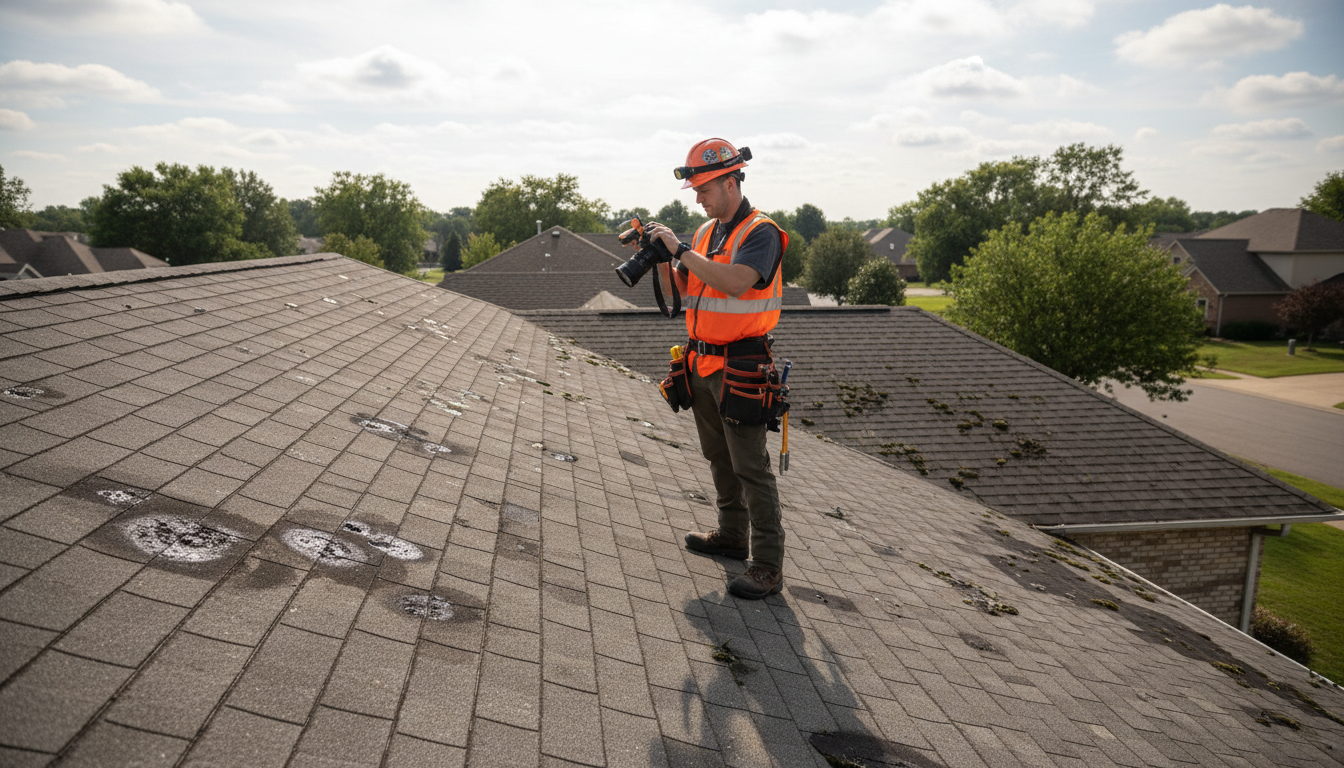
During an inspection that typically lasts between 30 and 60 minutes, the adjuster documents the physical scope of the damage. They look for specific indicators like circular bruising from hail or creases in shingles caused by high winds. This documentation serves as the legal and financial foundation for your entire claim. While these individuals are professionals, it is important to remember that their report dictates the initial estimate provided by the carrier. Their findings on the roof, along with observations of collateral damage to soft metals like gutters and attic vents, directly influence the insurance claim expertise required to restore your home to its pre-storm condition.
How to Prepare Before the Adjuster Arrives at Your Sherman Home
Preparing for a roof insurance adjuster visit requires more than just scheduling a time. To ensure your claim is handled fairly, you must understand the specific parameters of your coverage. Start by reviewing your homeowners insurance policy to determine if you have Replacement Cost Value (RCV) or Actual Cash Value (ACV). RCV policies generally cover the cost to replace the damaged roof with new materials at current market prices, minus your deductible. In contrast, an ACV policy subtracts depreciation based on the age and condition of your roof, which can significantly lower your actual payout. Knowing this distinction beforehand prevents surprises when the initial estimate arrives.
Next, compile a folder of documentation to present to the adjuster when they arrive at your Sherman property. This proactive approach establishes you as a diligent homeowner and provides a factual baseline for the inspection. Your preparation should include:
The specific date and approximate time the storm occurred.
Clear photos or videos taken immediately after the storm showing hail accumulation or debris.
A list of all interior leak locations, even those that seem minor.
Receipts for any temporary repairs made to prevent further damage, such as tarping.
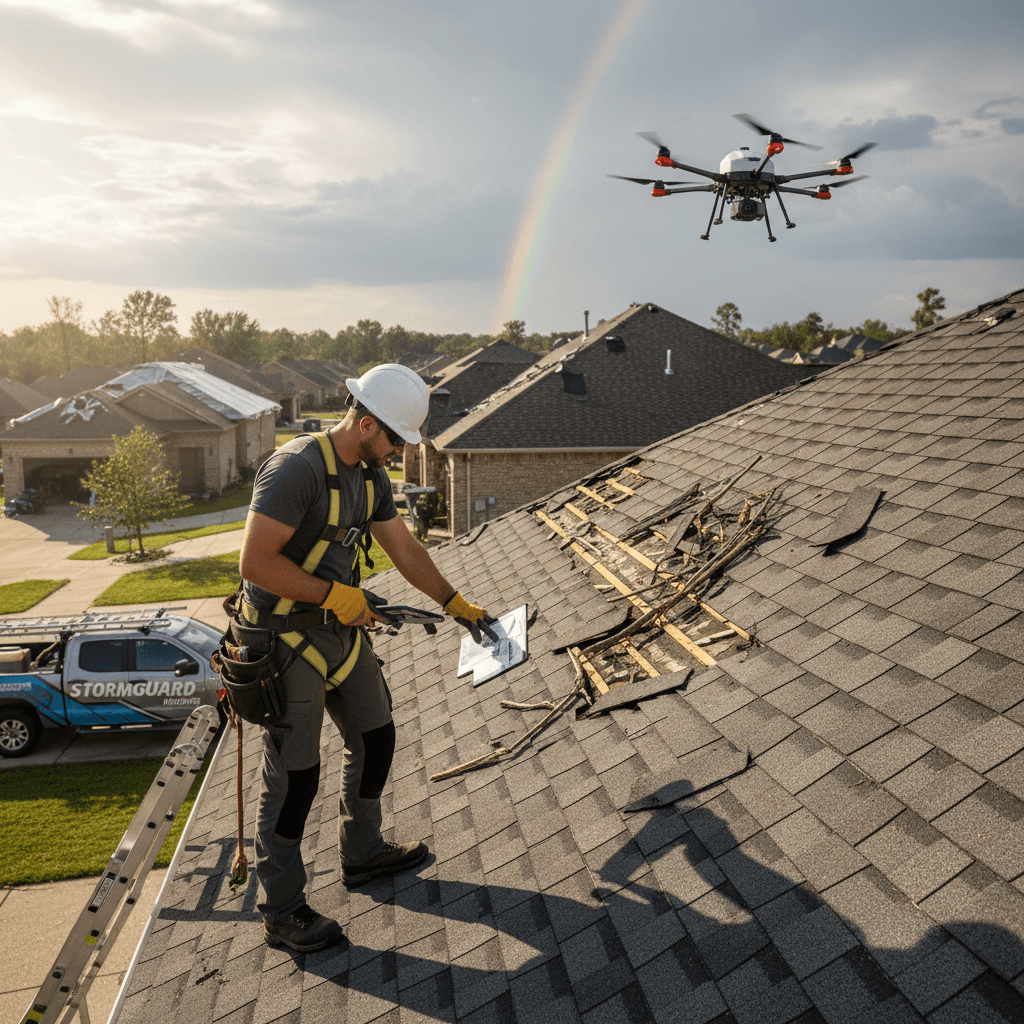
One of the most effective ways to document damage before the official inspection is through professional drone roof inspections. At Three Crosses Roofing & Restoration, we use high resolution drone technology to capture detailed imagery of your roof surface from angles that are often missed from a ladder. This provides undeniable evidence of the roof's condition before the roof insurance adjuster begins their assessment. Having this data ready demonstrates a commitment to accuracy and ensures that legitimate storm damage is not misclassified as simple wear and tear during the high pressure environment of a post storm inspection.
What to Say to a Roof Insurance Adjuster to Protect Your Claim
Effective communication with a roof insurance adjuster relies on precision rather than persuasion. When the adjuster arrives at your property, your role is to provide a factual roadmap of the event without speculating. Start by clearly stating the specific date and approximate time the storm occurred. This helps the adjuster correlate your claim with local meteorological data to confirm the damage was sudden and accidental, a vital classification in policy language that distinguishes a covered loss from long term neglect.
Direct the adjuster’s attention to specific areas of concern that may not be immediately visible from a ladder. Point out any interior leaks, water spots on ceilings, or moisture discovered in the attic. These consequential damages often provide the strongest evidence of a compromised roof system. Furthermore, highlight collateral damage to the rest of the property. Mention dented window screens, pockmarks on gutters, or bruised downspouts. These secondary impacts verify the intensity of the hail or wind that hit your home.
Be helpful and concise; avoid offering unsolicited opinions on the roof’s age or historical maintenance. Stick strictly to what you observed during and after the storm. By focusing on these verifiable details, you leverage professional insurance claim expertise to ensure the adjuster has every piece of evidence needed to document the full scope of your loss accurately from the first visit.
What Not to Say When Making an Insurance Claim for Your Roof
While providing facts is helpful, volunteering personal opinions or making certain admissions can unintentionally jeopardize your coverage. The roof insurance adjuster is looking for evidence of a sudden and accidental peril. Using phrases like "my roof is just old" or "it has been leaking for years" can immediately trigger a claim denial based on wear and tear or maintenance neglect. Most policies require homeowners to mitigate damage as soon as it is discovered. By suggesting a problem has existed for a long duration, you provide the carrier with a reason to classify the issue as a failure of upkeep rather than a result of a specific storm event.
Avoid speculating on the cost of repairs or suggesting a specific dollar amount you expect to receive. Valuation is a complex process involving current material costs and local labor rates. Providing a low estimate might lead the adjuster to under-scope the project, while an inflated number could be seen as an attempt to overcharge. Instead, rely on professional insurance claim expertise to handle the technical line items once the initial inspection is complete.
One of the most dangerous pitfalls involves the policy deductible. Never offer to "split the deductible" or ask if the contractor can cover it. In Texas, House Bill 2102 makes it a crime for contractors to waive, absorb, or offset a deductible. Mentioning such an arrangement to an adjuster can flag your claim for potential fraud and lead to serious legal complications. At Three Crosses Roofing & Restoration, our faith-based mission and veteran-owned heritage drive us to uphold the highest ethical standards. We strictly follow Texas law and ensure every project for storm restoration services is handled with total integrity, protecting both your home and your legal standing.
Understanding Roof Insurance Adjuster Markings and Test Squares
After the roof insurance adjuster climbs onto your shingles, you will likely see them begin marking the surface with specialized sidewalk chalk. This is not random graffiti; it is a standardized visual language used to document the density of the damage. The most critical part of this process is the creation of a "test square," which is a 10 by 10 foot area measuring exactly 100 square feet. The adjuster uses this sample to extrapolate the total damage across the entire roof slope.
Inside these squares, different symbols represent specific types of peril. A circle indicates a hail hit, where the impact has bruised the shingle mat or displaced protective granules. A straight line typically denotes a wind crease, showing where a shingle has been lifted and folded back by high gusts. For many major carriers operating in North Texas, the threshold for a full roof replacement often rests on a "hit count." While requirements vary by company, finding 8 to 10 verifiable hail hits within a single test square is a common benchmark for triggering a total loss claim.
Our team at Three Crosses Roofing & Restoration applies our insurance claim expertise to verify these markings, ensuring the adjuster correctly identifies functional damage rather than just cosmetic blemishes. This objective data prevents the subjective denial of legitimate storm losses. By understanding these symbols, you can better interpret the adjuster’s final report and ensure no damaged slope is overlooked during the evaluation.
Why You Should Have Your Contractor Present During the Inspection
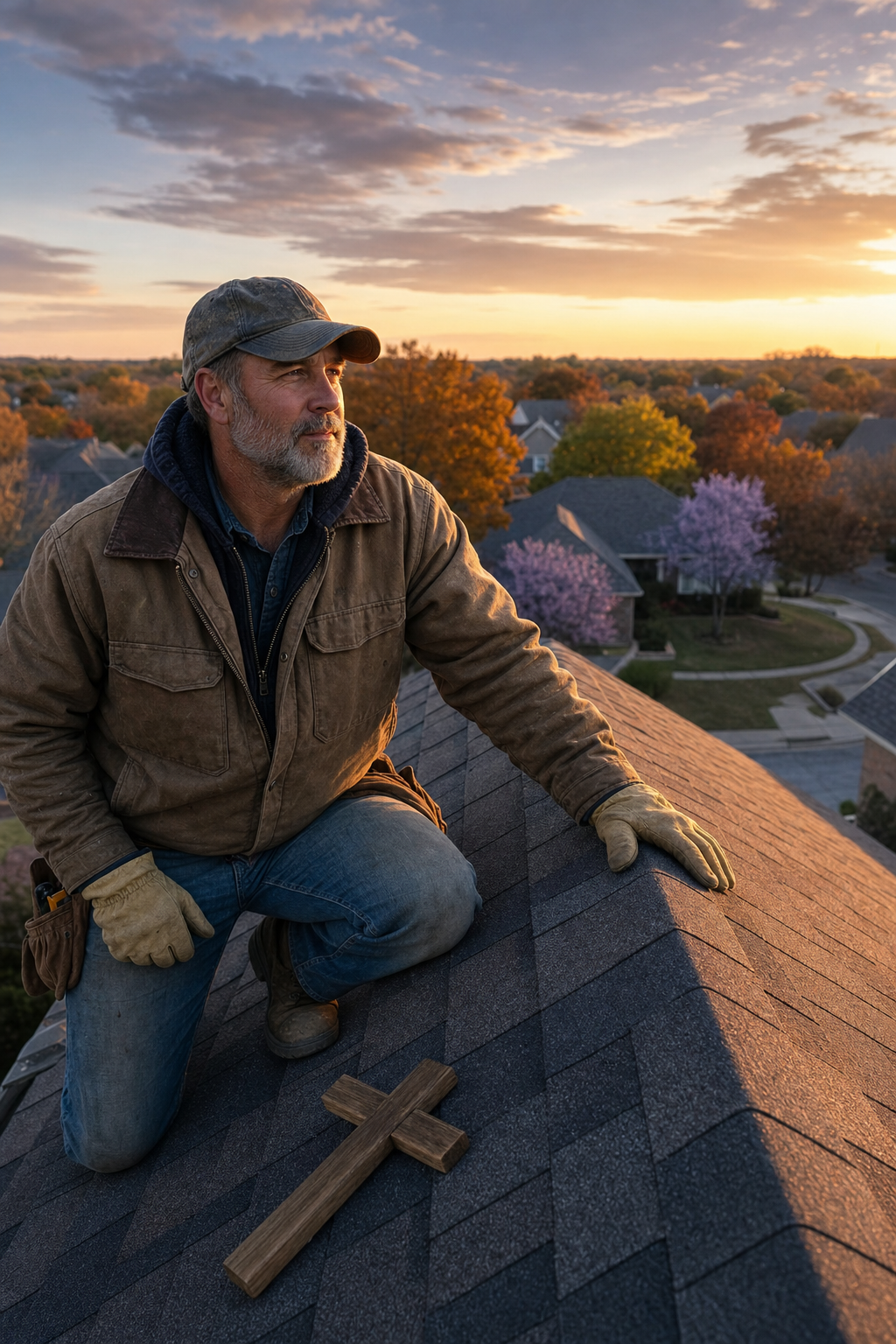
While the adjuster represents the insurance carrier's interests, having a trusted contractor on site provides essential advocacy for the homeowner. Many adjuster visits in North Texas are scheduled back to back, often leaving the professional only 30 minutes to evaluate a complex structure. During this tight window, subtle but significant indicators of storm damage can be overlooked. A professional roofer knows how to spot ridge cap cracks or minor bruising on soft metals like box vents and flashing that a hurried inspector might miss.
At Three Crosses Roofing & Restoration, we act as a technical liaison during the inspection process. Our team brings specialized insurance claim expertise to the rooftop, ensuring that every measurement and damaged shingle is accounted for immediately. We speak the same technical language as the roof insurance adjuster, utilizing Xactimate, the industry standard estimating software that carriers use to calculate costs. By aligning our findings with the adjuster’s platform from day one, we help prevent the common delays caused by mismatched scopes of work. This collaborative approach ensures that your storm restoration services are fully funded based on the actual reality of the damage, not just a cursory glance from the eaves. Having an expert present ensures the 'test squares' discussed previously are represented fairly across all slopes of your home.
What Happens After the Adjuster Leaves: The Waiting Period and Supplements
Once the roof insurance adjuster leaves your Sherman property, the process shifts from physical inspection to administrative processing. You can typically expect to receive a written estimate and claim summary within 7 to 14 days. This document outlines the scope of work the carrier has agreed to cover. It is common for the initial payment to arrive as a partial check representing the Actual Cash Value (ACV). This amount is calculated by taking the total replacement cost and subtracting both your deductible and the depreciation based on the age of your roof. For homeowners with Replacement Cost Value (RCV) policies, the depreciation is held back by the insurance company until the restoration is fully completed and documented.
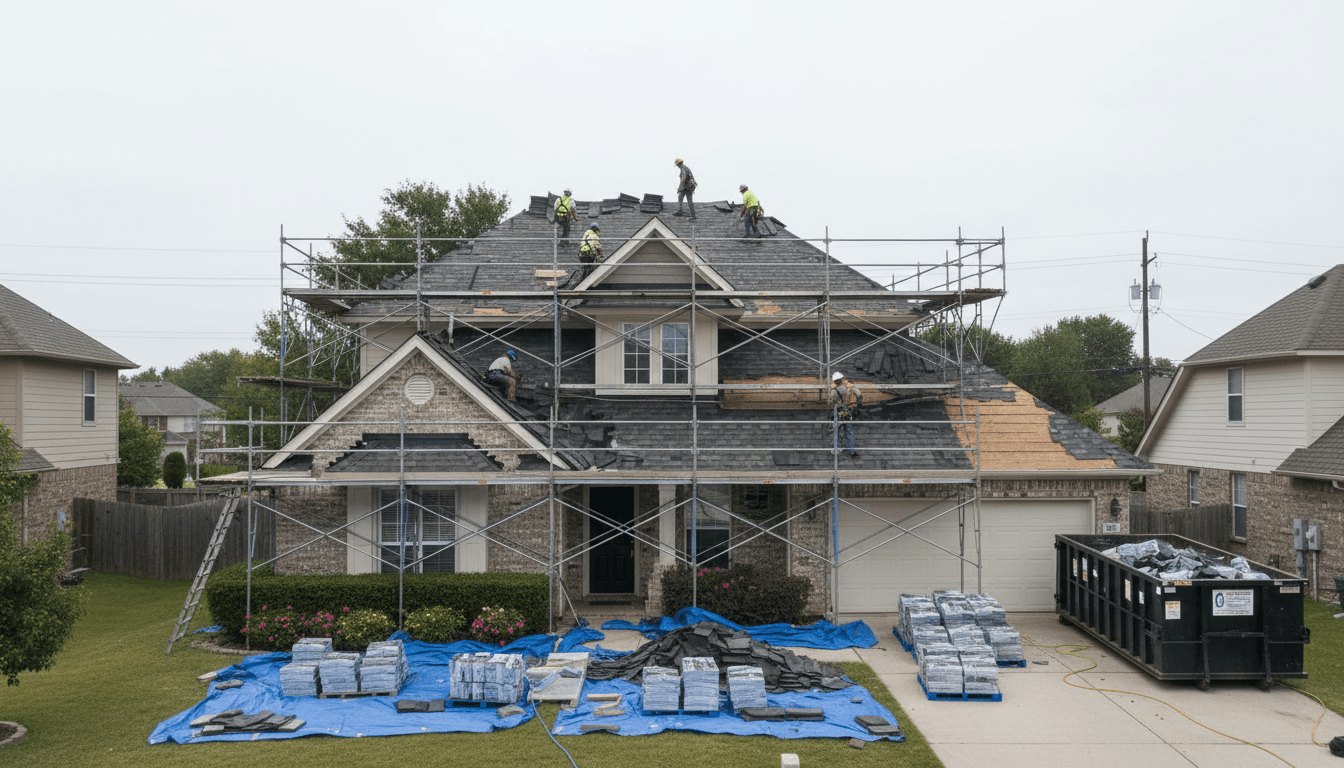
During the actual construction phase, contractors often discover hidden issues that were not visible from the surface, such as rotted decking or code-required upgrades. In these instances, we apply our insurance claim expertise to file a supplement. A supplement is a formal request for additional funds to cover these necessary items, ensuring the job is finished to professional standards without unexpected out of pocket costs for you. At Three Crosses Roofing & Restoration, we manage this documentation directly with your carrier, providing the photographic evidence required to justify the additional scope for your storm restoration services. This ensures that the final funding matches the true cost of a high-quality, durable roof.
Navigating a roof insurance adjuster visit in North Texas can feel overwhelming, but understanding the process is the first step toward a successful outcome. By knowing what to look for and how to communicate effectively, you protect your home and your investment. If you want expert help navigating the complexities of Insurance Claims, Three Crosses Roofing & Restoration is here to support you. We can provide the professional guidance needed to ensure your roof gets the attention it deserves without the stress of going it alone.