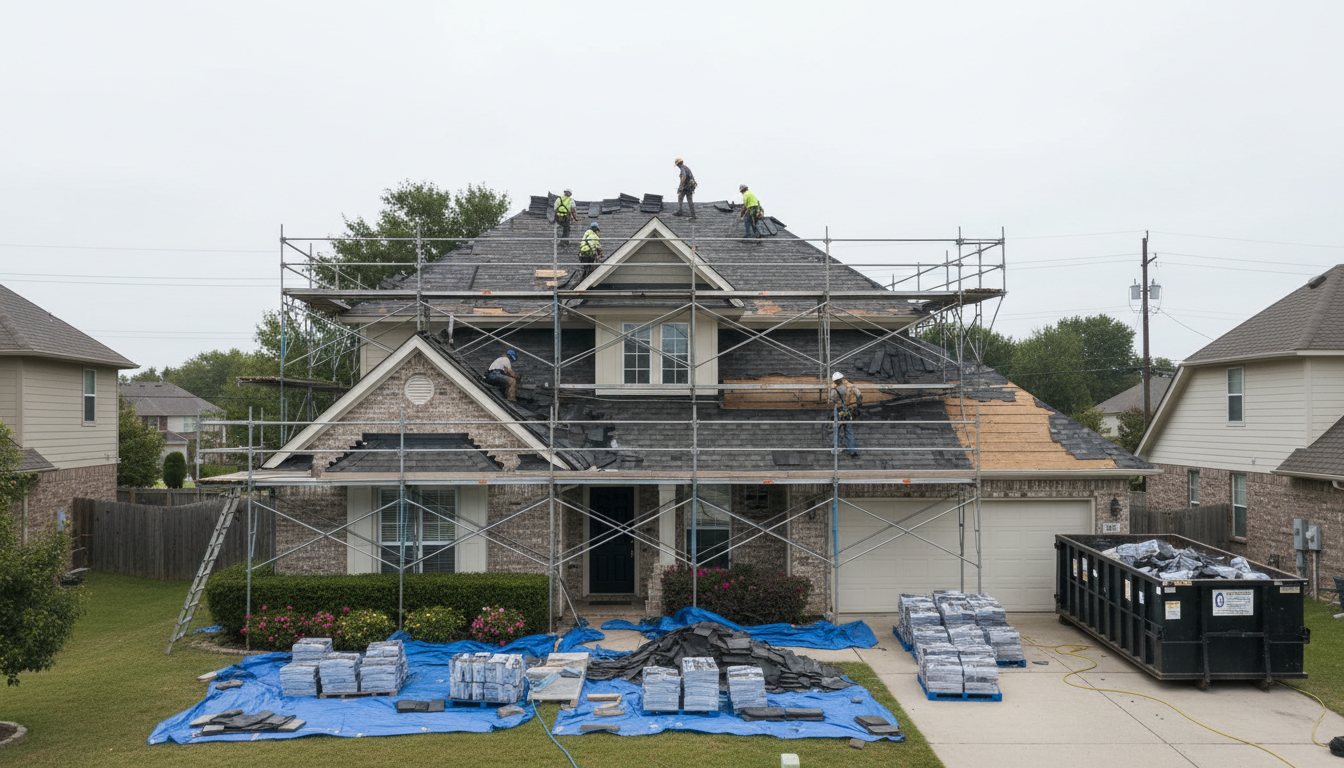
Emergency roof tarping is the most critical immediate step to stop active leaks and prevent further structural damage to your home after a severe storm. This essential mitigation tactic protects your interior assets while ensuring you meet insurance requirements to minimize additional loss before permanent repairs begin.
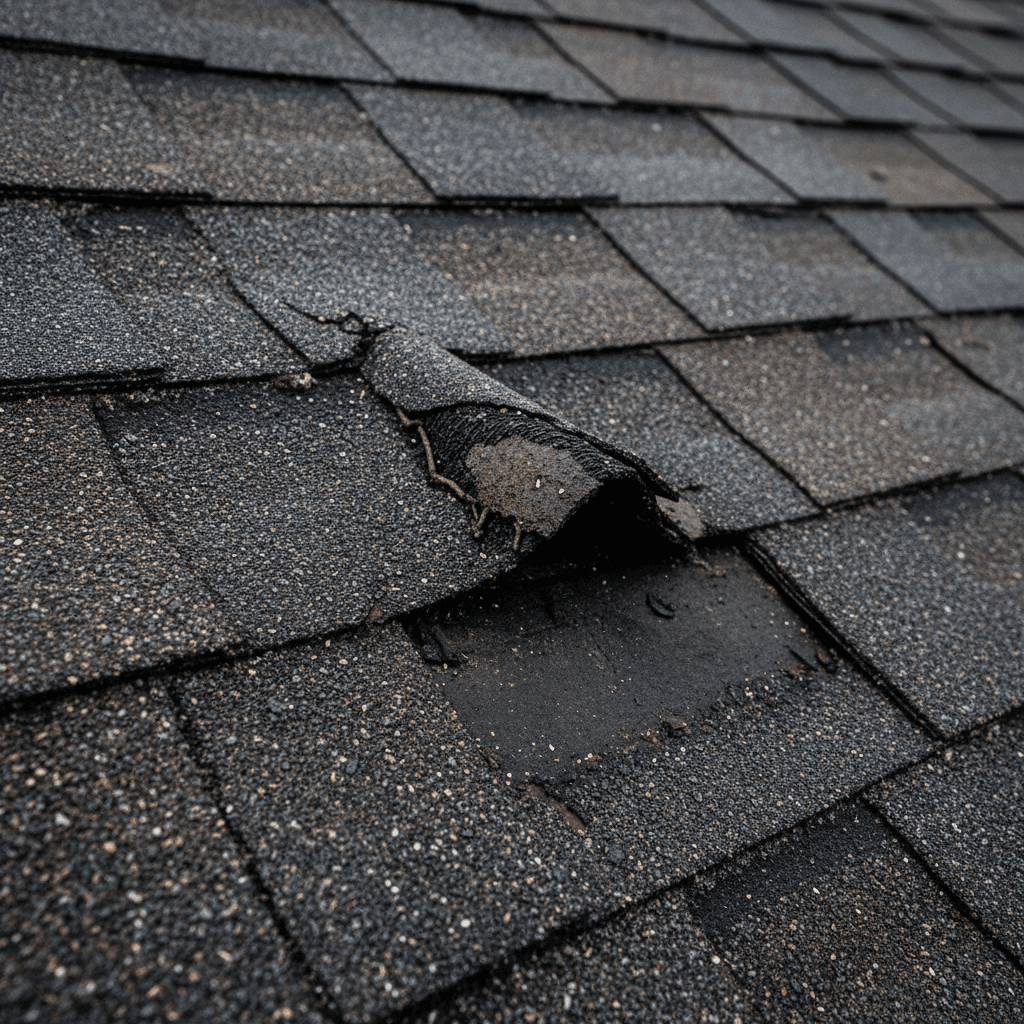
Hearing the rhythmic drumming of North Texas hail against your shingles often signals the start of a stressful recovery process. When the clouds clear and you discover a leak or structural damage, the clock begins ticking on your home's integrity. Emergency roof tarping is not merely a temporary fix; it is a critical mitigation step that protects your interior from secondary water damage and preserves your right to a full insurance settlement. At Three Crosses Roofing and Restoration, we understand that those first few hours are vital for your property's long term health. This guide outlines the immediate safety protocols you must follow, the nuances of professional tarping, and how to document damage correctly for your insurance carrier. You will also learn the differences between a DIY approach and professional intervention, ensuring your DFW home remains secure until permanent repairs begin.
Safety First: The Immediate 60 Minutes After the Storm
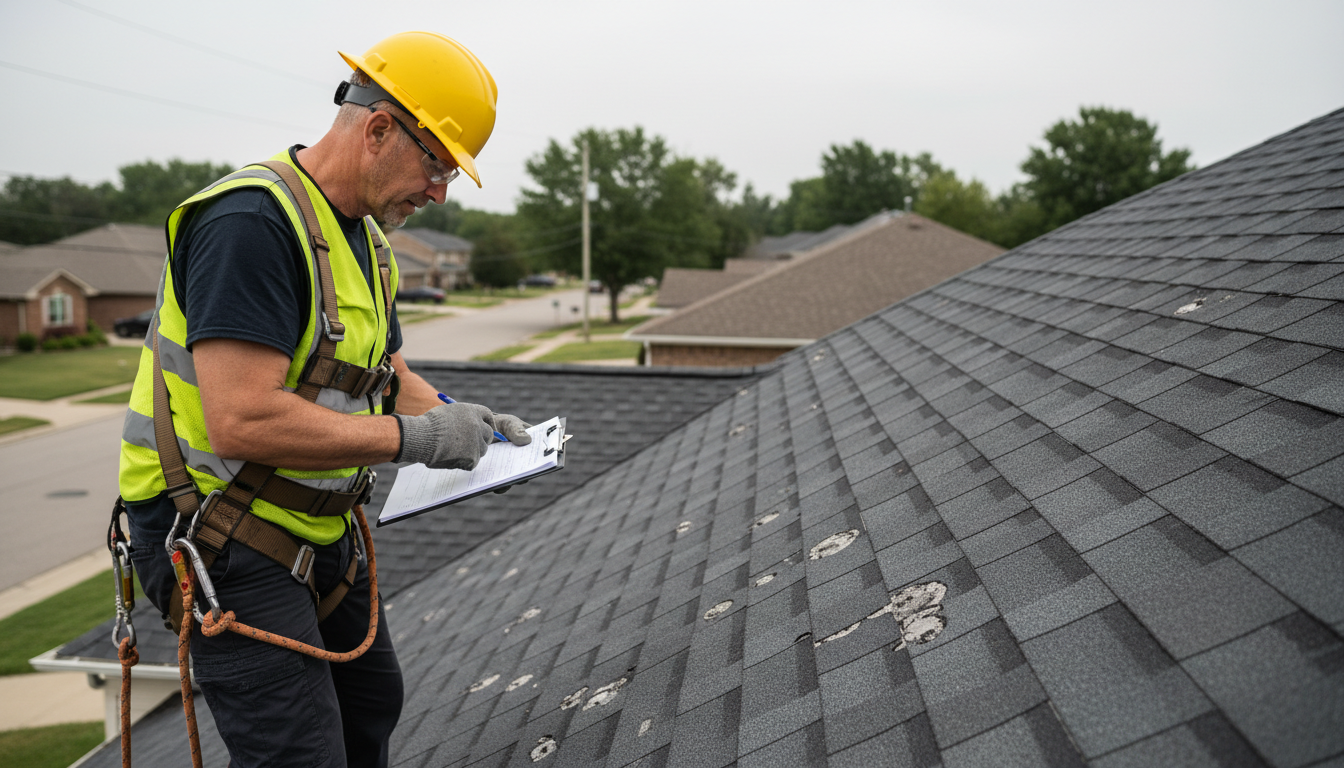
The first hour after a severe North Texas storm is the most critical for your safety. Before you look at your shingles, you must secure the perimeter. As a veteran-owned company, we treat the immediate aftermath of a storm with the same discipline used in the field; you cannot assess damage effectively if the environment remains hostile. High winds in the DFW area often weaken tree limbs and power lines that may not fall until minutes or hours after the rain stops.
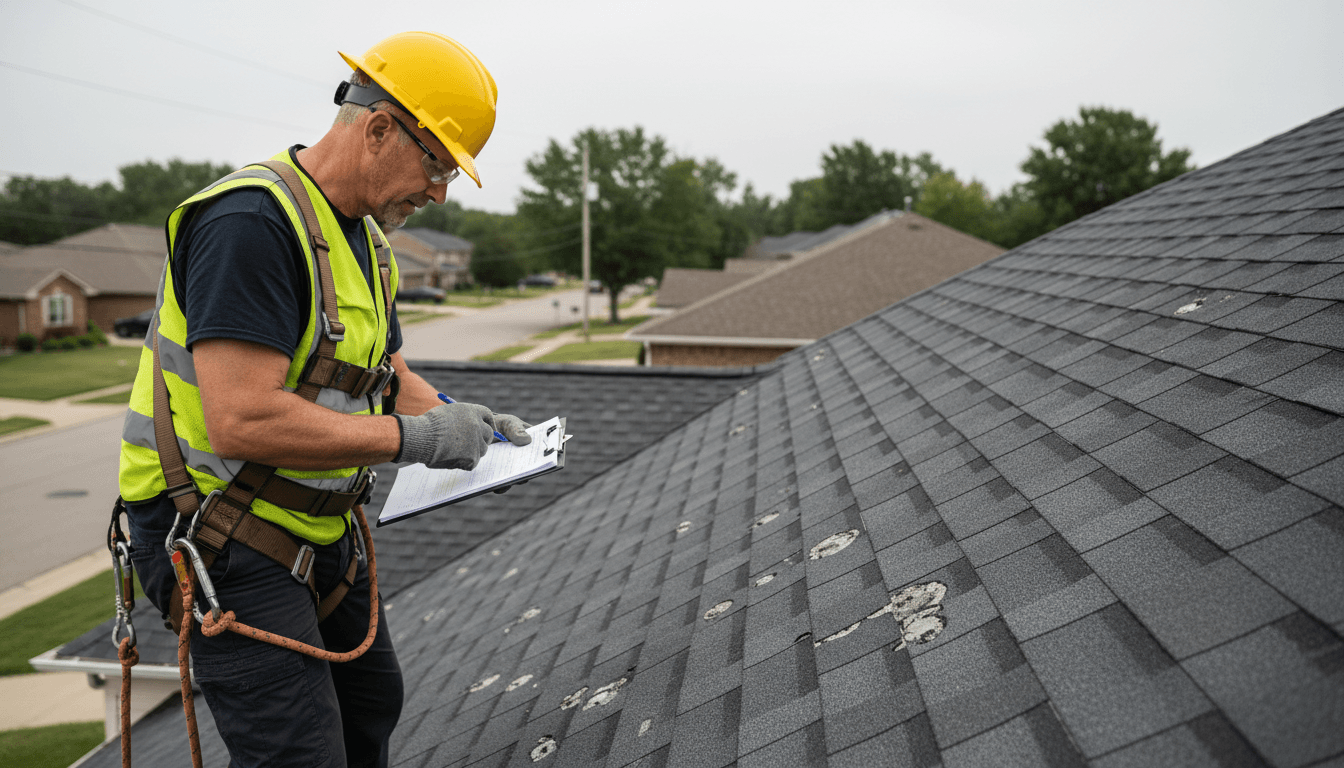
Stay far away from any downed utility lines and keep children and pets indoors. Do not attempt to climb onto your roof to inspect for leaks or holes. A roof that is wet, covered in debris, or structurally compromised by fallen branches is incredibly dangerous. Furthermore, North Texas weather is notoriously volatile; secondary storm cells often follow the initial front, creating a risk of lightning or renewed high winds while you are exposed on a ladder.
Instead of climbing, perform a visual sweep from the ground. If you spot significant penetration or missing sections, you will likely need emergency roof repair to prevent interior flooding. While you may feel the urge to start emergency roof tarping immediately, your priority is identifying hazards. Once the area is stable, you can leverage professional insurance claim expertise to document the damage safely. For those needing local assistance, our roofing services in Sherman are available to help secure your home without putting your physical safety at risk.
What Is Emergency Roof Tarping and Why Is It Non-Negotiable?
Once the perimeter is secure, your immediate objective shifts to containment. Emergency roof tarping is a temporary, waterproof defensive measure designed to shield your home’s interior from the elements until permanent repairs can be made. In the roofing industry, we view this as a tactical fix; it is not a permanent solution, but it is the only thing standing between a manageable shingle repair and a catastrophic interior renovation.
This step is non-negotiable due to the "Duty to Mitigate" clause found in almost every Texas homeowners insurance policy. This clause dictates that the policyholder must take reasonable actions to prevent further damage after a loss occurs. If you leave a hole in your roof exposed and a secondary North Texas rainstorm ruins your drywall, flooring, and furniture, the insurance company may legally deny the portion of the claim related to that interior damage. They expect you to act with urgency to protect the property.
There is a significant difference between a basic hardware store solution and a professional application. Professional-grade strapped tarping is built to withstand the high wind speeds common in the DFW area.
Feature | Standard Retail Tarp | Professional Strapped Tarping |
|---|---|---|
Material | Thin Woven Polyethylene | Minimum 6-Mil Heavy Duty Poly |
Attachment Method | Weight (Bricks) or Cap Nails | Wood Furring Strips (2x4s) |
Wind Durability | High risk of flapping or tearing | Tension-secured for high gusts |
Longevity | Days | Weeks (until adjusters arrive) |
By choosing professional emergency roof repair methods, you ensure the barrier is taut and integrated into the roof’s shedding system. This proactive stance, backed by insurance claim expertise, demonstrates to your adjuster that you have fulfilled your policy obligations to protect the asset.
How Professional Tarping Protects Your Insurance Claim
When a storm hits Sherman or the surrounding DFW area, the relationship between mitigation and your insurance claim becomes paramount. Professional emergency roof tarping serves as more than a temporary shield; it acts as a physical record of your compliance with policy terms. By hiring a specialized team, you generate a verifiable timeline. Our professional services include date-stamped documentation of the damage and the subsequent installation. This provides indisputable proof to the insurance carrier regarding exactly when the leak was addressed and how you prevented secondary losses from occurring.
When you speak with your insurance adjuster, clear communication is essential. You should explicitly state, "I have taken immediate steps to prevent further damage to my property as required by the policy by securing a professional tarp." This specific phrasing signals to the adjuster that you are an informed homeowner acting in good faith. It effectively shifts the conversation from potential negligence to proactive restoration, ensuring they focus on the primary loss rather than questioning why the interior sustained water damage days after the initial event.
A common concern for North Texas homeowners is the cost of these services. Generally, insurance companies cover the expense of emergency roof tarping under the "Reasonable Repairs" or "Mitigation" portion of the policy. Because these costs are incurred to prevent a much larger claim, such as whole-room mold remediation or structural rot, adjusters typically view them as a necessary and reimbursable investment.
By leveraging insurance claim expertise, you ensure that every invoice and photo is prepared for seamless submission. A professional emergency roof repair is not just about keeping the water out; it is about building a robust case that protects your financial interests while our team coordinates the long-term roofing services in Sherman.
The 24 Hour Storm Damage Documentation Checklist
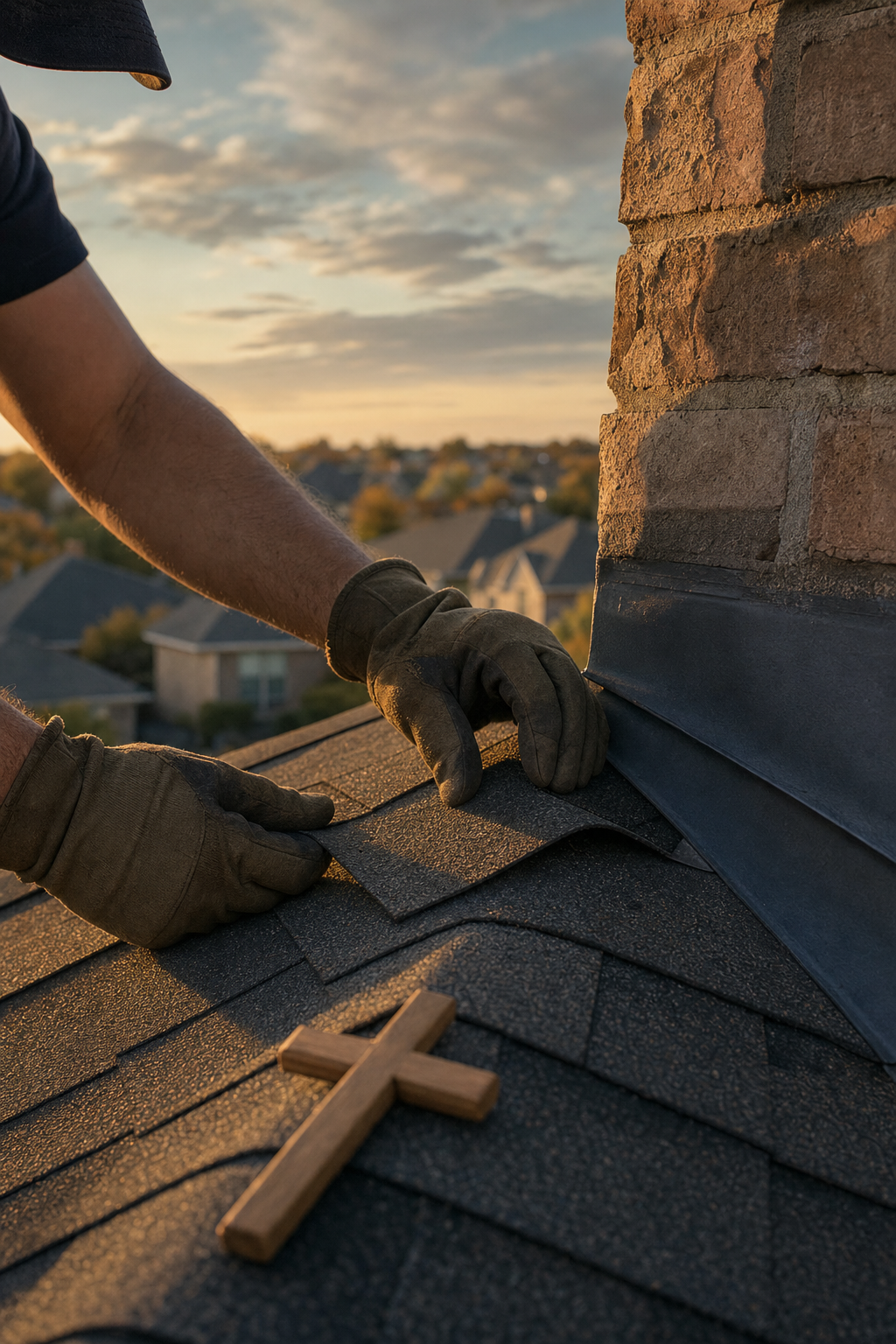
The window of time immediately following a North Texas storm is when evidence is freshest and most persuasive to an insurance carrier. While professional emergency roof repair and emergency roof tarping focus on stopping the water, your personal documentation ensures the scope of the damage is fully captured before it is obscured by time or subsequent weather. A thorough record acts as a force multiplier for your insurance claim expertise, providing the adjuster with clear data points that support a comprehensive settlement.
Follow this checklist within the first 24 hours to secure your claim:
Collect Ground Evidence: Walk the perimeter of your home. Look for indentations in gutter downspouts, chipped paint on wood siding, or "spatter" marks on fences where hail has stripped away oxidation. Pay close attention to the thin metal fins on your air conditioning unit; if these are flattened or dented, it is a primary indicator of high impact hail.
Quantify Hail Size: If hail is present, do not simply photograph it in your palm. Place a quarter or a ruler next to several stones to provide a scale of reference. Adjusters need standardized measurements to determine the potential for shingle fracture.
Map Interior Intrusion: Inspect every room, including the attic. Take wide-angle photos of ceiling stains and close-ups of bubbling paint or drywall. These images prove the leak was active and immediate.
Verify the Event: Save a digital copy of the National Weather Service report for your specific zip code in the DFW area. This establishes a "Date of Loss," which is a mandatory field for any claim.
During this high-stress period, many out-of-state "door knockers" will arrive in Sherman neighborhoods offering quick fixes. Protect your home by refusing to sign any contracts or "letters of intent" during this initial 24-hour phase. Your focus should be on accurate documentation and securing the structure, not committing to a contractor who may vanish before the job is complete. For reliable, local roofing services in Sherman, choose a provider with deep roots in the community.
DIY vs. Professional Emergency Roof Tarping
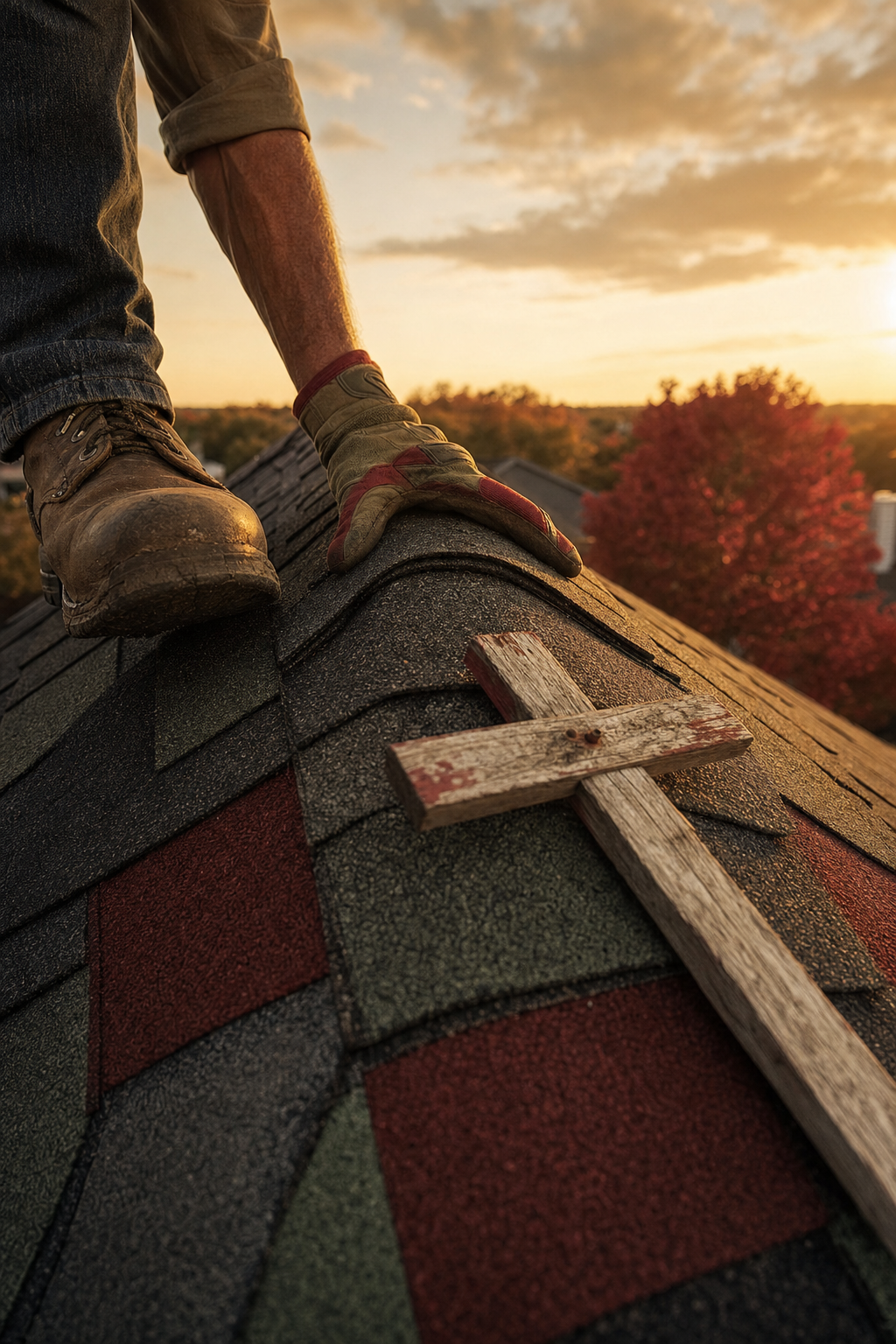
While the immediate urge after a storm is to grab a ladder, DIY emergency roof tarping presents significant hazards to both your physical safety and your insurance claim. Homeowners searching for how to tarp a roof often find instructions involving ladders and cap nails; however, the risks to a novice are substantial. Many attempt tarping without nails by using heavy sandbags or specialized adhesive tapes for minor leaks. While these methods avoid puncturing the roof, they rarely survive the high winds common in Sherman. The industry standard for severe damage is strapped tarping. This method involves stretching a heavy-duty tarp over the ridge and securing it with 2x4 lumber strips. These wood furring strips provide the tension necessary to prevent the tarp from acting like a sail during secondary North Texas gusts.
Professional emergency roof repair teams prioritize material grade and structural integrity. A standard 6-mil poly tarp from a hardware store is prone to UV degradation and tearing. We utilize high-durability, reinforced options designed for commercial-grade protection.
Specification | Standard DIY Tarp | Professional Reinforced Tarp |
|---|---|---|
Material Thickness | 6-mil Standard Poly | 10-mil+ Reinforced Poly |
Attachment Method | Staples or Loose Nails | 2x4 Wood Battens (Strapped) |
Wind Resistance | Low (prone to flapping) | High (tension-secured) |
Claim Impact | Risk of secondary damage | Documented professional mitigation |
Improper DIY nailing can create new leak points or structural damage that an adjuster might cite to reduce your payout. Steep North Texas roof pitches make these installations dangerous for anyone without specialized fall-arrest equipment. By utilizing local roofing services in Sherman, you ensure the installation is performed safely and correctly. Leveraging professional insurance claim expertise ensures that your mitigation efforts are viewed as an asset by the insurance company rather than a liability.
How Long Does a Tarp Last on a Roof in Texas?
A common question we hear in Sherman is how long emergency roof tarping will hold before permanent repairs are needed. While a high-quality, reinforced tarp can physically remain intact for 3 to 9 months, the harsh North Texas environment dictates a much shorter functional window. The high UV index in the DFW area causes standard polyethylene materials to become brittle, lose their waterproofing capabilities, and eventually tear under wind tension within 30 to 60 days.
Factor | Physical Durability | Functional Window (Texas UV) | Recommended Limit |
|---|---|---|---|
Heavy Duty Poly (10-mil) | 6-9 Months | 60 Days | 30 Days |
Standard Retail Tarp (6-mil) | 3 Months | 30 Days | 14 Days |
We recommend viewing any tarp as a tactical stop-gap for no more than 30 days. This timeframe provides the necessary breathing room to utilize our insurance claim expertise and schedule comprehensive roofing services in Sherman for a full replacement. Relying on a temporary fix beyond a month risks material failure during a secondary storm, which could jeopardize the interior of your home and complicate your standing with the insurance carrier. If your project requires a specialized emergency roof repair, the tarp serves only as the first phase of a broader restoration plan.
Emergency Roof Tarping Cost and Reimbursement in DFW
The cost of professional emergency roof tarping in North Texas is determined by the specific architectural demands of your property. Three primary factors influence the final invoice: the total square footage requiring coverage, the height of the building, and the roof pitch. A steep, multi-story home requires advanced safety rigging and additional labor hours compared to a low-slope roof; these logistical needs dictate the price.
Cost Factor | Impact on Pricing |
|---|---|
Roof Pitch | Steeper slopes increase labor and safety equipment needs |
Story Height | Two or three-story homes require specialized ladder work |
Damage Area | Larger tarps and more furring strips increase material costs |
At Three Crosses Roofing & Restoration, our veteran-owned values ensure we never inflate prices following a storm. Integrity is central to our roofing services in Sherman. We provide transparent, itemized billing that aligns with standard insurance industry rates. Because tarping is a required mitigation step, these expenses are typically reimbursable under the "Reasonable Repairs" section of your policy. Utilizing our insurance claim expertise ensures that your emergency roof repair is documented accurately, helping you recover the costs from your carrier without unnecessary friction.
Spotting Storm Chasers vs. Local North Texas Contractors
In the wake of a DFW storm, the influx of out-of-state contractors, commonly known as storm chasers, is a significant risk for Sherman homeowners. These companies often descend on neighborhoods with aggressive sales tactics, promising quick fixes or offering to waive deductibles, which is illegal under Texas law. Spotting them requires looking at specific details that reveal a lack of local roots and professional accountability.
Red Flag | Description |
|---|---|
Out-of-State Plates | Vehicles registered in other states indicate a temporary presence. |
Immediate Contracts | High pressure to sign a "letter of intent" before an adjuster arrives. |
Deductible Offers | Illegal promises to "cover" your deductible to win the job. |
No Local Office | Lack of a physical, permanent address within Grayson County. |
Choosing a company with established roofing services in Sherman ensures your restoration complies with Texas Department of Insurance (TDI) regulations and local municipal building codes. Local contractors are accountable to the community and remain available long after the storm season ends. If a contractor pressures you to sign paperwork before they have even performed emergency roof tarping, do not proceed. Instead, rely on a veteran-owned team with insurance claim expertise to handle your emergency roof repair with integrity. A local partner understands North Texas weather and provides a warranty that actually holds value in the years to come.
Taking immediate action to mitigate storm damage is the most effective way to safeguard your home against further issues. While these initial steps provide a necessary temporary solution, long-term safety requires a more permanent approach. If you want expert help ensuring your roof is fully restored to its original strength, you may want to consider a professional Emergency Repair to address any underlying vulnerabilities. The team at Three Crosses Roofing & Restoration is always available to help you navigate your recovery with confidence and care.