A roof in Texas typically lasts between 15 and 30 years, though the specific lifespan depends heavily on material type and extreme weather exposure. While standard asphalt shingles often need replacement after 20 years, durable metal systems can last 50 to 70 years. Factors like extreme heat and frequent hail significantly influence how long does a roof last in texas compared to other regions.
In North Texas, a roof is more than a structural necessity; it is a vital defense against the relentless heat, volatile wind, and oversized hail that define our local climate. Homeowners in Sherman and the DFW metroplex often find themselves questioning if their investment will truly stand the test of time or if the next storm season will necessitate a premature replacement. Understanding the lifespan of your roofing system is not just about home maintenance, it is about financial preparedness and protecting your equity. This guide examines the realistic durability of various materials under Texas conditions, explores how local environmental stressors accelerate wear, and clarifies the complexities of insurance coverage for aging roofs. We will also outline the specific signs of failure to watch for and provide professional insight into the 25 percent rule for deciding between a strategic repair or a full restoration.
The Reality of Roof Longevity in North Texas
When a manufacturer slaps a 30 year warranty label on a bundle of shingles, they are often calculating that figure based on laboratory conditions or milder climates. In North Texas, those numbers rarely tell the full story. As a veteran-owned company providing roofing services in Sherman, TX, Three Crosses Roofing & Restoration has seen firsthand how our unique environment challenges even the highest-quality materials. While you might wonder exactly how long does a roof last in texas, the answer depends less on the calendar and more on the intensity of our local weather cycles.
In the DFW corridor, we often measure a roof’s functional lifespan in storm seasons rather than decades. Between the blistering UV radiation of July and the high-velocity winds of spring, shingles undergo constant thermal expansion and contraction. This stress, combined with frequent hail events, can degrade a system long before its paper warranty expires. Our team brings specialized insurance claim expertise to every project because we understand that North Texas roofs do not just age; they endure. Understanding these regional pressures is the first step in protecting your home and accurately budgeting for your property’s future.
Average Texas Roof Lifespan by Material

To accurately predict how long does a roof last in Texas, you must first categorize the material protecting your decking. While manufacturers offer broad estimates, the intense heat and storm frequency in Grayson County mean that different systems fail at different rates.
3-Tab Asphalt Shingles (15 to 20 years) These are the most basic option, consisting of a single layer of material with a uniform shape. In the DFW area, they are increasingly rare for new installs because their lower wind resistance makes them susceptible to shingle blow-offs during spring squall lines. Their thinner profile also makes them more vulnerable to the high-heat cycles common in Sherman.
Architectural Shingles (22 to 28 years) Also known as dimensional or laminate shingles, these are the current standard for roofing services in Sherman, TX. Their multi-layered construction provides superior wind resistance, often rated for speeds up to 130 mph, and better durability against UV degradation compared to 3-tab versions. The added thickness helps these shingles retain their shape despite the heavy thermal load of a Texas summer.
Metal Roofing (40 to 70 years) Standing seam or stone-coated steel systems offer the longest lifespan available. While they are resilient against fire and wind, their longevity in North Texas often depends on the gauge of the metal and its ability to withstand cosmetic hail dimpling.
TPO Roofing (20 to 25 years) For residential properties with flat additions, sunrooms, or low-slope porch transitions, Thermoplastic Polyolefin (TPO) is the preferred membrane. It reflects heat effectively, though its lifespan is heavily dictated by the quality of the heat-welded seams and proper drainage.
Material Type | Estimated Texas Lifespan | Primary Benefit in DFW |
|---|---|---|
3-Tab Asphalt | 15 to 20 Years | Lower initial cost |
Architectural | 22 to 28 Years | High wind resistance |
TPO (Flat) | 20 to 25 Years | Heat reflectivity |
Metal | 40 to 70 Years | Maximum durability |
Choosing the right material involves balancing upfront costs against the frequency of replacement. While material quality provides the baseline, several external factors specific to our region can accelerate these timelines significantly.
Environmental Factors That Shorten Roof Life in DFW
While high-quality materials provide a baseline for how long does a roof last in Texas, the DFW climate acts as a relentless stress test. Three primary roof killers dominate our region: UV radiation, volatile weather shifts, and impact damage. These forces work in tandem to degrade shingles long before their manufacturing warranties suggest they should fail.
UV radiation and thermal shock represent a constant cycle of stress. The intense Grayson County sun does more than just heat your home; it actively degrades the chemical composition of asphalt shingles by baking out the volatile oils that maintain flexibility. When a scorching 100 degree afternoon is interrupted by a sudden, cold thunderstorm, the material undergoes thermal shock. This rapid cooling causes shingles to contract faster than the roof deck beneath them, leading to hairline fractures, warping, and lost adhesion.
Hail impact is the most immediate threat in the North Texas corridor. While large stones cause obvious destruction, even small hail acts like a hammer against the protective granules of your roof. These impacts create bruises that are often invisible from the ground, yet they compromise the shingle matting. Over time, the loss of these ceramic granules exposes the underlying bitumen to direct sunlight, which accelerates decay. This is why we often recommend drone roof inspections to identify subtle impact patterns before they evolve into active leaks.
Finally, many older homes in Sherman suffer from inadequate attic ventilation. When heat cannot escape, attic temperatures can exceed 150 degrees, essentially cooking the shingles from the inside out. This localized heat traps moisture and prevents the roof from shedding thermal energy, often cutting five to ten years off a system’s functional life. Proper airflow is just as critical to roofing services in Sherman, TX as the shingles themselves.
Will Insurance Cover a 20 Year Old Roof in Texas?
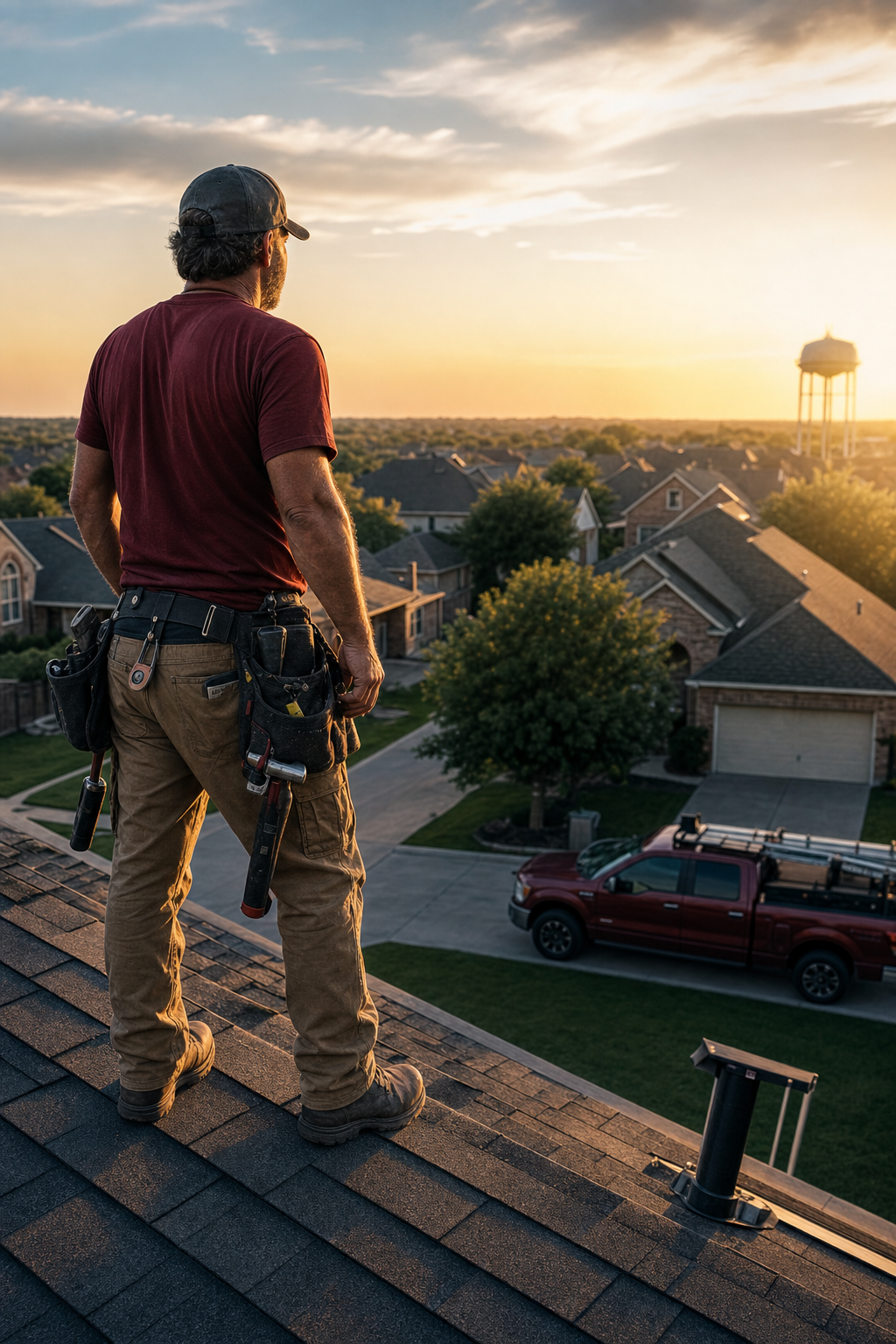
A common misconception among North Texas homeowners is that insurance acts as a long term maintenance plan. In reality, insurance is designed to cover sudden and accidental events, such as a localized hail storm or high-velocity wind damage, rather than the natural degradation caused by decades of sun exposure. If your roof is two decades old, the question of coverage depends heavily on the specific language of your policy and the type of valuation your carrier uses.
For those questioning how long does a roof last in Texas before insurance becomes a hurdle, the 15 to 20 year mark is the critical threshold. Most policies begin as Replacement Cost Value (RCV), meaning the insurer pays to replace the roof at today’s market prices, minus your deductible. However, as a roof ages beyond 15 years, many Texas carriers automatically transition the policy to Actual Cash Value (ACV). Under ACV, the insurance company depreciates the payout based on the roof's age and condition. If a 20 year old roof is damaged, the payout might only cover a fraction of the replacement cost, leaving the homeowner to bridge a significant financial gap out of pocket.
Policy Type | Valuation Method | Impact on an Older Roof |
|---|---|---|
RCV (Replacement Cost) | Current Market Price | Payout covers full replacement (minus deductible) |
ACV (Actual Cash Value) | Depreciated Value | Payout is reduced based on age and wear |
Navigating these nuances requires professional insurance claim expertise. Even if your shingles have survived years of Grayson County storms, a carrier may deny a claim if they determine the primary cause of failure is wear and tear, such as failed seals or brittle matting, rather than a recent storm event. This is why we often utilize drone roof inspections for older properties in Sherman. High-resolution imagery allows us to distinguish between historical hail impacts and simple age-related cracking, providing the clear documentation necessary for an accurate assessment of the damage.
Visible Signs Your Texas Roof Is Nearing the End
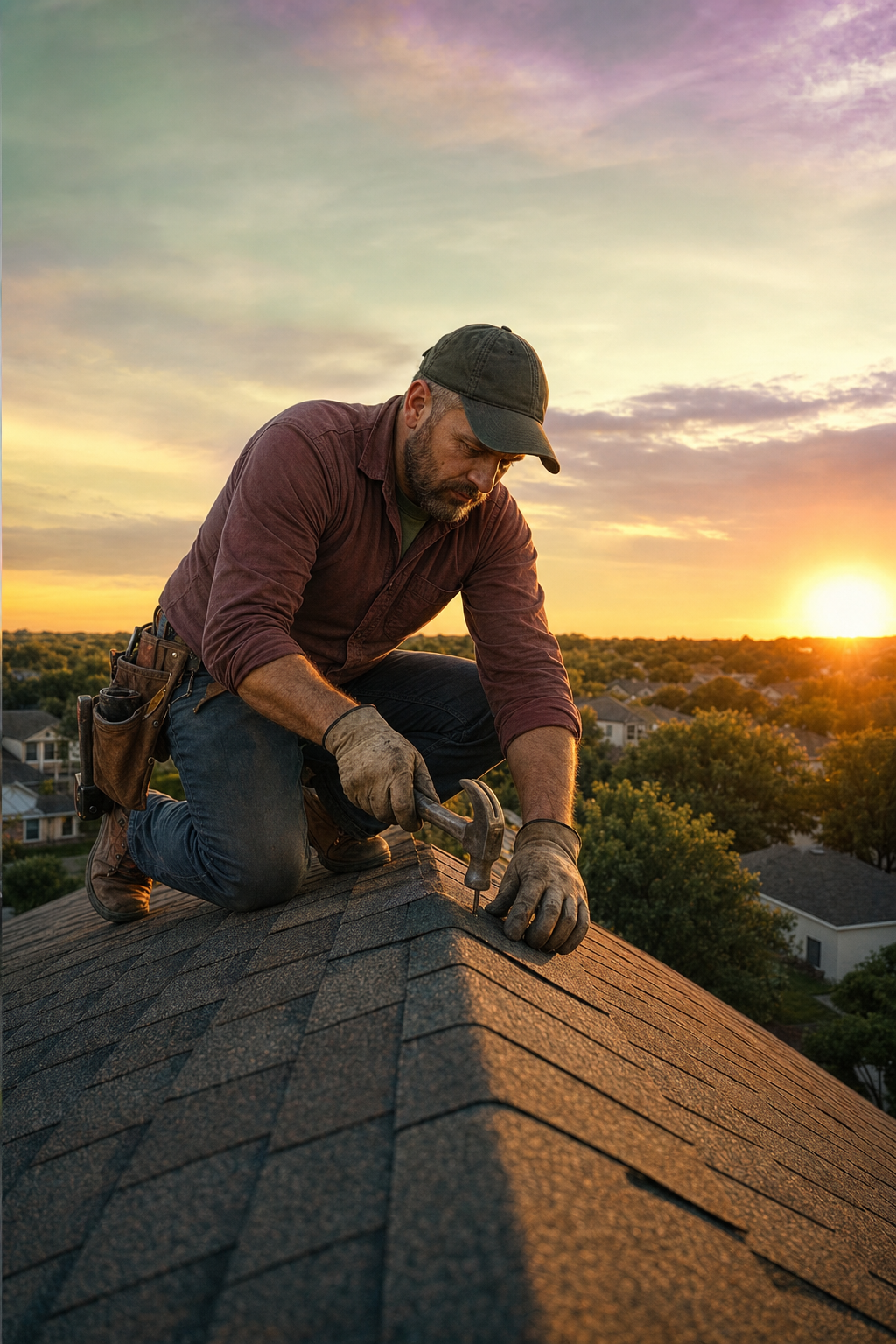
Because insurance coverage often shifts as a roof ages, recognizing physical deterioration before a leak starts is vital for homeowners in the DFW area. Identifying these markers early helps answer the question of how long does a roof last in Texas by providing a clear picture of the system's remaining functional life.
Several specific red flags indicate a shingle is reaching its breaking point:
Curling and Cupping: Look for shingle edges that turn upward or centers that appear concave. This usually happens when the asphalt matting dries out and loses its flexibility, leaving the roof vulnerable to wind uplift.
Excessive Granule Loss: Check your gutter downspouts after a heavy rain. If you find piles of sediment that look like coarse sand, your shingles are shedding their UV protection. Bald spots on the shingles mean the underlying bitumen is exposed to the sun, which leads to rapid failure.
Hail Bruises: These appear as dark, circular spots where the granules have been driven into the matting. To a professional, these feel like soft spots on an apple, indicating the fiberglass reinforcement is fractured.
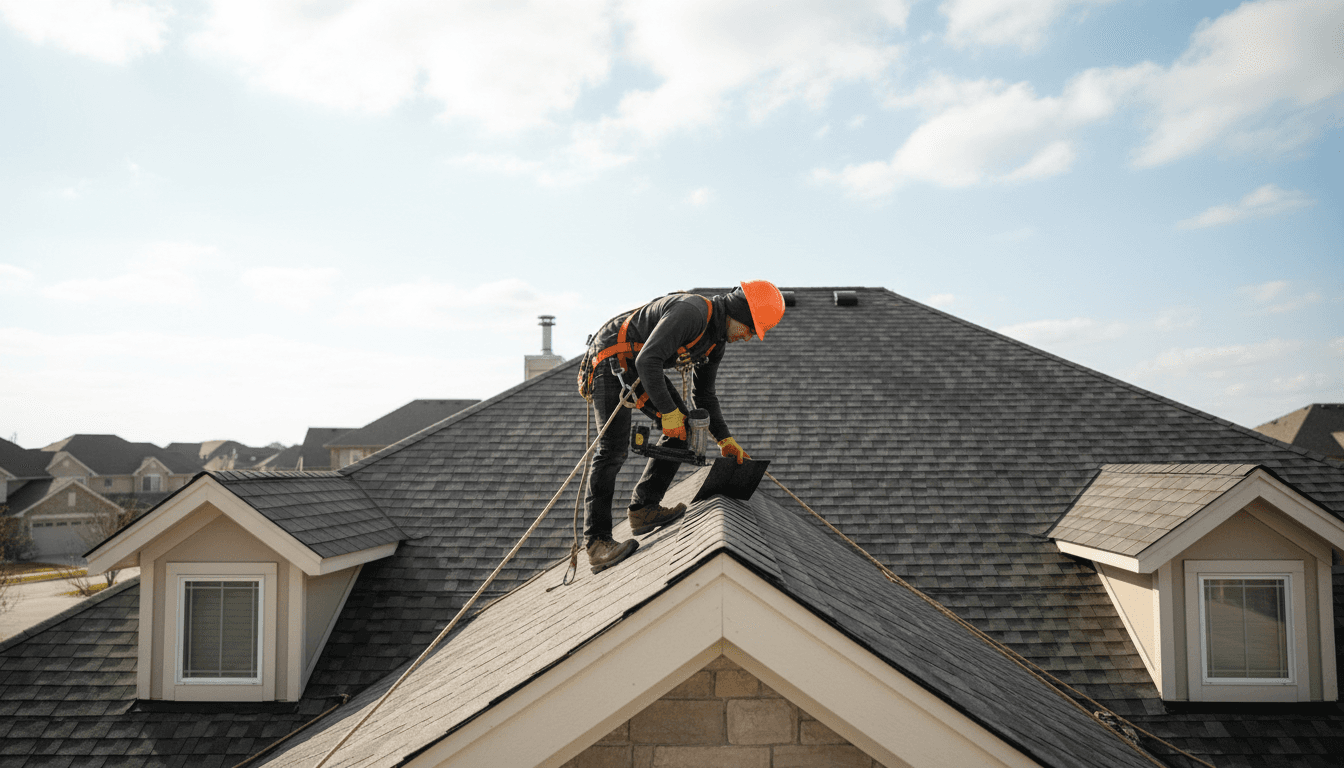
Safety is paramount when checking for these signs. Walking on an aging North Texas roof can cause brittle shingles to crack, potentially creating new leaks. We recommend performing a visual check from the ground using binoculars or scheduling professional drone roof inspections. High-resolution aerial imagery provides the detail needed to see hail impact and edge wear without stepping foot on a fragile surface.
Repair vs Replacement: The 25 Percent Rule and Cost Considerations
When visible damage surfaces, homeowners must decide between a patch and a full replacement. In many cases, the decision is influenced by the 25 Percent Rule found in Texas building codes. If more than 25 percent of a roof area is damaged or needs repair within a year, the entire roof must often be brought up to current code through a full replacement. This regulation prevents the structural instability that occurs when new materials are layered over compromised older sections. We often use drone roof inspections to provide an accurate percentage of damage, giving homeowners the data needed to make an informed choice.
Homeowners often wonder if a $30,000 quote is excessive for the North Texas area. Pricing depends on three main variables: total square footage, roof pitch, and material quality. A steep, multi-gabled roof requires specialized safety gear and more labor hours than a simple, low-pitch design. While high-quality architectural shingles increase the initial investment, they also improve the answer to how long does a roof last in texas by providing better storm resilience. Utilizing our insurance claim expertise allows us to help Sherman residents navigate these costs, ensuring that if a replacement is required by code, the financial burden is properly managed according to the current market rates for roofing services in Sherman, TX.
How to Maximize Your Roof Lifespan in Sherman
Extending how long does a roof last in texas requires proactive maintenance rather than reactive repairs. Clean your gutters at least twice a year to prevent stagnant water from backing up under the eaves and damaging the fascia or decking. You should also trim any overhanging tree limbs to eliminate wind scour, which occurs when branches scrape against shingles and strip away their protective granules during DFW wind events.
Scheduling professional roofing services in Sherman, TX for a detailed inspection after the spring storm season is essential for long term durability. Identifying a minor leak or a loose flashing seal early can easily add five years to your system's functional life, preventing the deep structural decay that necessitates a premature full replacement. Keeping a consistent maintenance log also strengthens your position when utilizing insurance claim expertise after a major weather event.