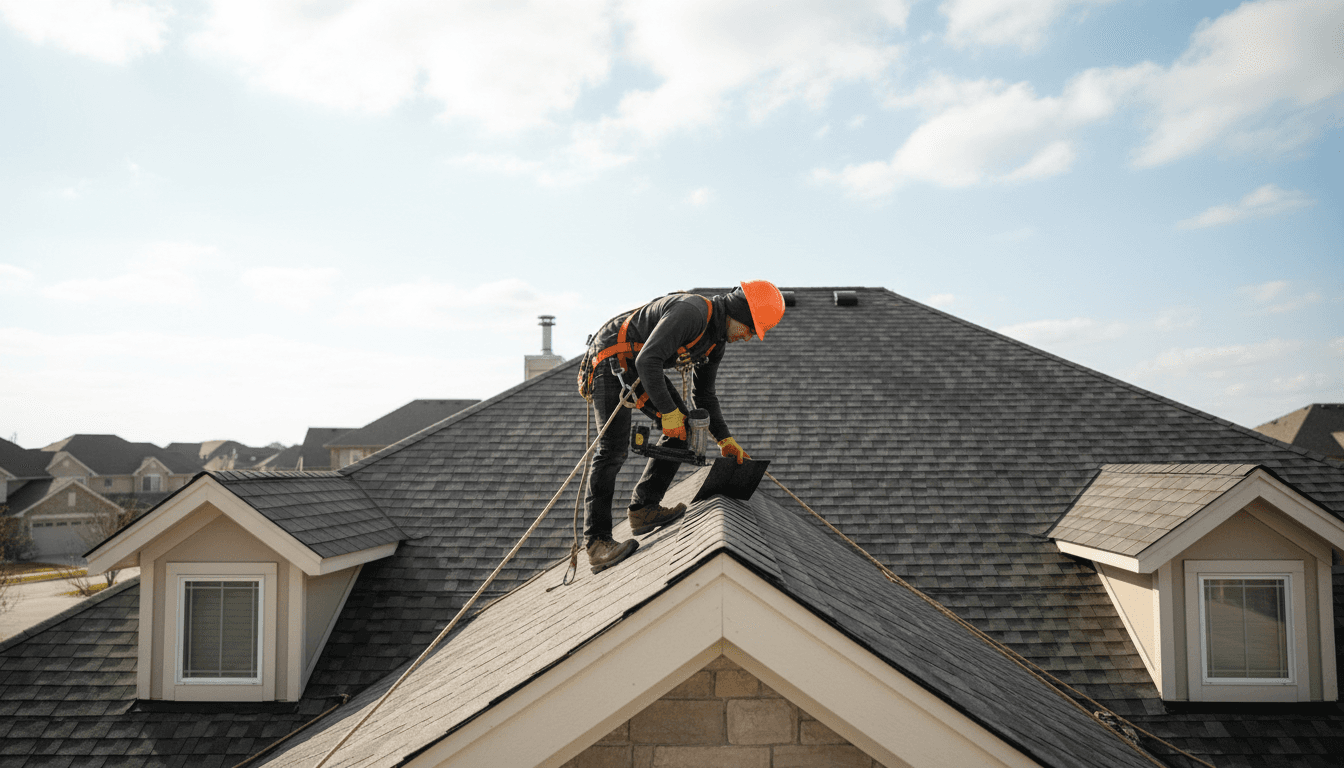
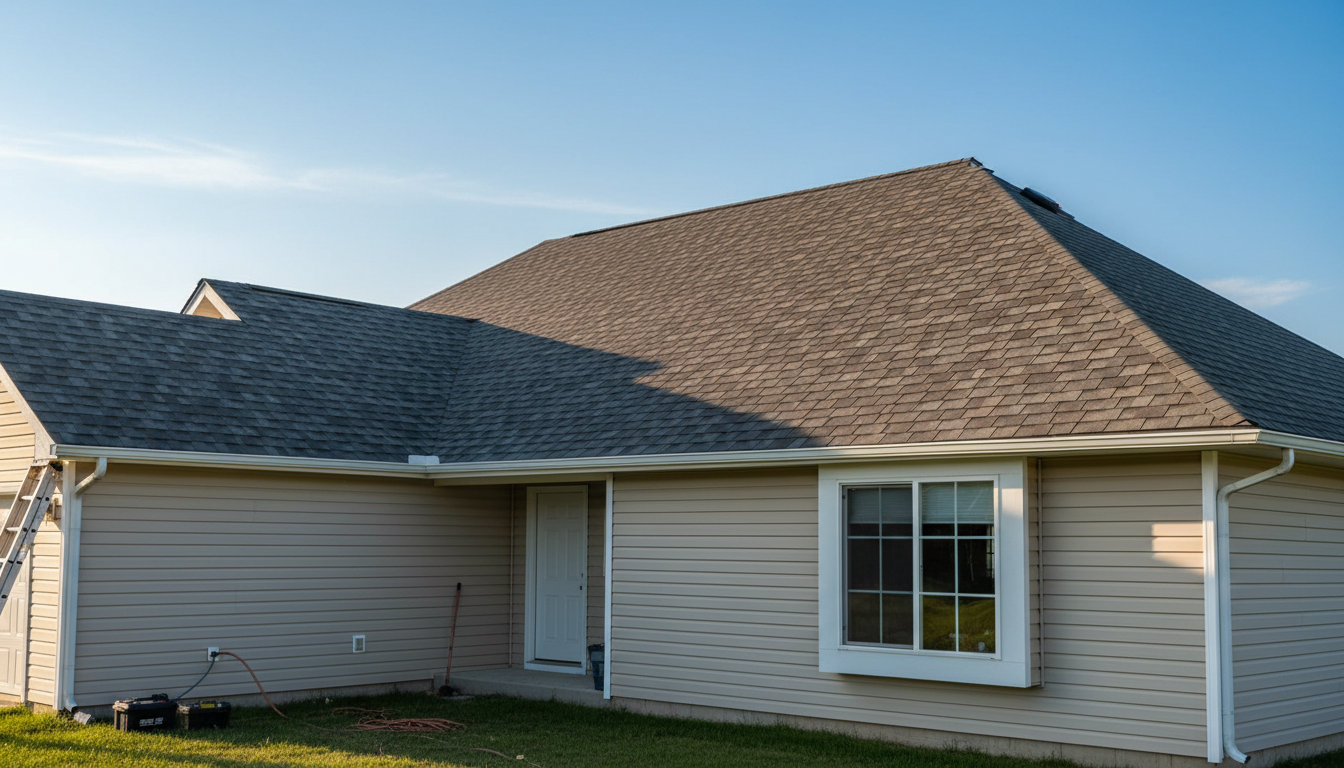
Homeowners should prepare roof for fall storm season Texas by scheduling professional inspections to identify loose shingles and cleaning gutters to ensure proper drainage. Additional steps include trimming overhanging tree branches and repairing damaged flashing to prevent leaks or wind damage during severe weather events.
As the relentless heat of North Texas summer fades, homeowners often breathe a sigh of relief, yet the transition to autumn brings a secondary storm season that can be as volatile as the spring. A single October hailstorm or a persistent late-season downpour can quickly turn a minor vulnerability into a structural crisis. At Three Crosses Roofing and Restoration, we understand that your roof is your first line of defense. Proactive maintenance is not merely about aesthetics; it is a critical strategy to protect your investment and avoid the financial strain of major repairs. In this guide, we provide a professional roadmap for the season ahead. You will learn how to manage drainage systems, implement the six foot rule for vegetation, and navigate the complexities of the Texas 25 percent rule. We also explore how drone inspections provide a safer, accurate way to document your home before the clouds gather.
Understanding the North Texas Secondary Storm Season
Most North Texas homeowners associate severe weather with the volatile spring months, yet residents in Sherman, Denison, and across the DFW Metroplex know that autumn brings its own set of challenges. September and October mark a distinct secondary peak in severe weather activity. This period, often referred to as the fall hail season, occurs when cooler Canadian air masses begin to push south, colliding with the lingering, intense Texas summer heat. These sharp temperature swings provide the perfect fuel for high winds and large hail that catch many property owners off guard.
If you take steps to prepare roof for fall storm season Texas now, you can address the cumulative stress caused by months of triple-digit heat. The relentless summer sun often bakes shingles until they are brittle, making them far more susceptible to cracking or lifting when the first heavy fall downpour hits. Identifying these vulnerabilities early prevents minor summer wear from escalating into a situation requiring an emergency roof repair once the cold fronts arrive. At Three Crosses Roofing & Restoration, we emphasize that proactive maintenance is a matter of stewardship; ensuring your home is structurally sound before the sky turns gray is the best way to protect your investment.
Clear the Path: Gutters and Drainage Systems

When you prepare roof for fall storm season Texas, the drainage system is your first line of defense against the sudden, heavy downpours typical of October. Gutters are designed to channel thousands of gallons of water away from your home’s structural components. However, after a long summer, these channels often become clogged with windblown debris or loose shingle granules shed during the July heat. When a blockage occurs, the water has nowhere to go but up and out.
A clogged gutter causes water to pool and eventually back up under the eave and the first course of shingles. This constant moisture leads to fascia board rot, which can compromise the integrity of your entire roof edge and allow water into the soffits. Furthermore, when gutters overflow, the volume of water falls directly onto the ground next to your home. In Sherman and the surrounding DFW area, we deal with highly expansive clay soils. These soils swell significantly when saturated, putting immense pressure on your foundation that can lead to costly shifting and cracking.
To prevent this, check every downspout exit. Ensure that extensions or splash blocks are moving water at least three feet away from the house foundation. Proper drainage is a critical component of our comprehensive restoration services. At Three Crosses Roofing & Restoration, we understand that a roof is only as good as the system that sheds the water. If you notice sagging troughs or rusted seams during your pre-storm check, addressing these issues now is much more cost-effective than dealing with an emergency roof repair or foundation stabilization later. Our team can evaluate your gutter system to ensure it is sized correctly for the specific volume of water our North Texas storms produce.
Vegetation Management: The Six Foot Rule
Maintaining proper clearance between your landscape and your home is just as vital as clearing the gutters when you prepare roof for fall storm season Texas. High wind events during the North Texas autumn can turn a beautiful Live Oak or a heavy Pecan tree into a significant liability. We recommend following the six foot rule; all branches should be trimmed back so they are at least six feet away from the roofline. This distance accounts for the extreme swaying that occurs during severe thunderstorm gusts, preventing heavy limbs from snapping and crashing into your shingles or decking.
Beyond the risk of immediate impact damage, overhanging branches cause a slower form of destruction known as limb rub. As wind pushes a branch back and forth across your roof, it acts like sandpaper, scouring away the protective mineral granules that shield shingles from the Texas sun. Once these granules are lost, the asphalt layer underneath deteriorates rapidly, often necessitating an emergency roof repair to stop leaks. Furthermore, as temperatures drop in Sherman and Denison, these branches serve as natural bridges for rodents. Squirrels and rats use overhanging limbs to access the roof and chew through plastic vent boots or soft fascia boards to find warmth in your attic. Keeping trees pruned protects your shingle integrity and keeps local wildlife out of your living space.
The Quiet Leak Stoppers: Flashing and Pipe Boots
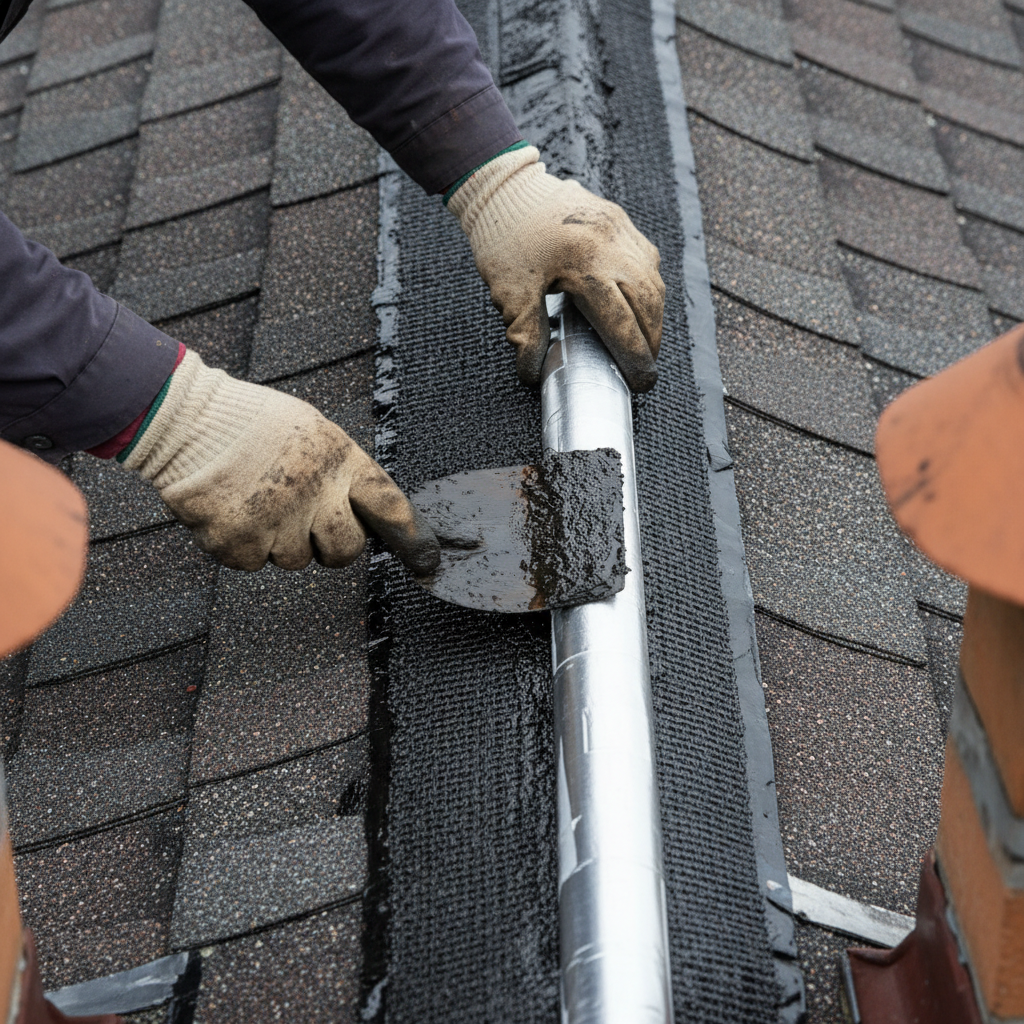
While managing your landscape addresses external threats, the most insidious damage often originates from the roof’s smallest components. These are the penetration points and transitions where water is most likely to find a path into your home. Metal flashing is installed in high-stress areas, such as the valleys where two slopes meet or the perimeter of chimneys and dormers. These metal strips act as a waterproof bridge, but they are not invincible. Over time, the sealant used to bond these sections can become brittle and pull away from the masonry or shingles, especially after the expansion and contraction cycles of a hot Sherman summer.
Perhaps the most common culprit for a sudden interior leak is the pipe boot. These are the rubber gaskets that seal the base of your plumbing vents. The intense, prolonged UV exposure of a North Texas summer literally bakes the life out of these components. By the time you need to prepare roof for fall storm season Texas, many of these boots have developed hairline cracks or have dry rotted entirely. When the first heavy fall rains arrive, water follows the exterior of the pipe directly through these cracks and into your attic insulation.
During a visual check, look for rusted metal or sealant that resembles cracked, dried clay. If the rubber around a vent pipe feels hard or flakes when touched, it will not withstand the pressurized rainfall of an October thunderstorm. Addressing these minor penetrations before the clouds gather is a key part of our insurance claim expertise. Catching a failing boot early prevents a small drip from turning into a saturated ceiling and a much larger emergency roof repair later in the season.
Understanding the 25 Percent Rule for Roofing in Texas
Homeowners often ask about the specific legalities of repairs when they prepare roof for fall storm season Texas, particularly concerning the so-called 25 percent rule. It is important to clarify that there is no singular state law under this name. Instead, the term refers to specific building codes, such as the International Residential Code (IRC) and International Building Code (IBC), which many North Texas municipalities have adopted. These codes generally state that if more than 25 percent of a roof system or section is damaged or being replaced within a 12 month period, the entire roof must be brought up to current local building standards.
For residents in Sherman, Denison, and throughout the DFW area, this rule has significant implications for insurance claims. During the secondary storm season, a hail event might cause localized damage that appears minor at first glance. However, if our team determines that the necessary repairs exceed that 25 percent threshold, your insurance carrier may be required to cover a full replacement to ensure the structure meets municipal safety codes. This is where Law and Ordinance coverage becomes vital; it is a common policy provision that covers the cost of bringing a home up to date with modern building requirements during a loss.
Navigating these codes requires a professional assessment rather than a simple estimate from a general contractor. At Three Crosses Roofing & Restoration, we apply our insurance claim expertise to document the exact extent of the damage. We coordinate with local building departments to ensure every project adheres to current ventilation and decking requirements. Failing to account for these rules can lead to rejected permits or denied claims. If your roof sustains damage this fall, securing a professional inspection ensures that you are not left paying out of pocket for an emergency roof repair that the city refuses to sign off on because it does not meet the 25 percent criteria for modern compliance.
Pre-Storm Documentation and Insurance Reviews
Establishing a clear baseline for your property is the most effective way to prepare roof for fall storm season Texas. Before the clouds gather, take high-resolution, date-stamped photographs of your roof, siding, and gutter systems from the ground. This visual evidence serves as an undeniable record of your home’s condition before any potential hail or wind events. We also recommend a thorough review of your insurance declarations page. In Texas, the difference between a Replacement Cost Value (RCV) and an Actual Cash Value (ACV) policy is significant.
Policy Type | Coverage Description | Payout Impact |
|---|---|---|
Replacement Cost Value (RCV) | Covers full cost to replace at today's prices | Higher payout; covers current labor and material rates |
Actual Cash Value (ACV) | Pays current market value minus depreciation | Lower payout; based on the remaining life of the roof |
Understanding which coverage you have now prevents unwelcome financial surprises during an emergency roof repair later. As a veteran-owned company, Three Crosses Roofing & Restoration brings a high level of discipline and integrity to this process. Our insurance claim expertise allows us to provide professional documentation that stands up to carrier scrutiny. By having us perform a pre-season inspection, you establish a professional record of your roof’s health. This baseline makes it much easier to prove new damage occurred during a specific storm, streamlining the path to a fair settlement.
Why Drone Inspections are the Safest Pre-Season Choice

Establishing a baseline is essential, but how you get that information matters. Climbing onto a residential roof in Sherman or Denison after a record-breaking summer carries inherent risks for the structure itself. The prolonged exposure to triple-digit DFW temperatures causes asphalt shingles to lose their flexibility and become extremely brittle. Walking on these surfaces can lead to unintended mechanical damage, such as granule loss or cracking, which compromises the system before the first storm even hits.
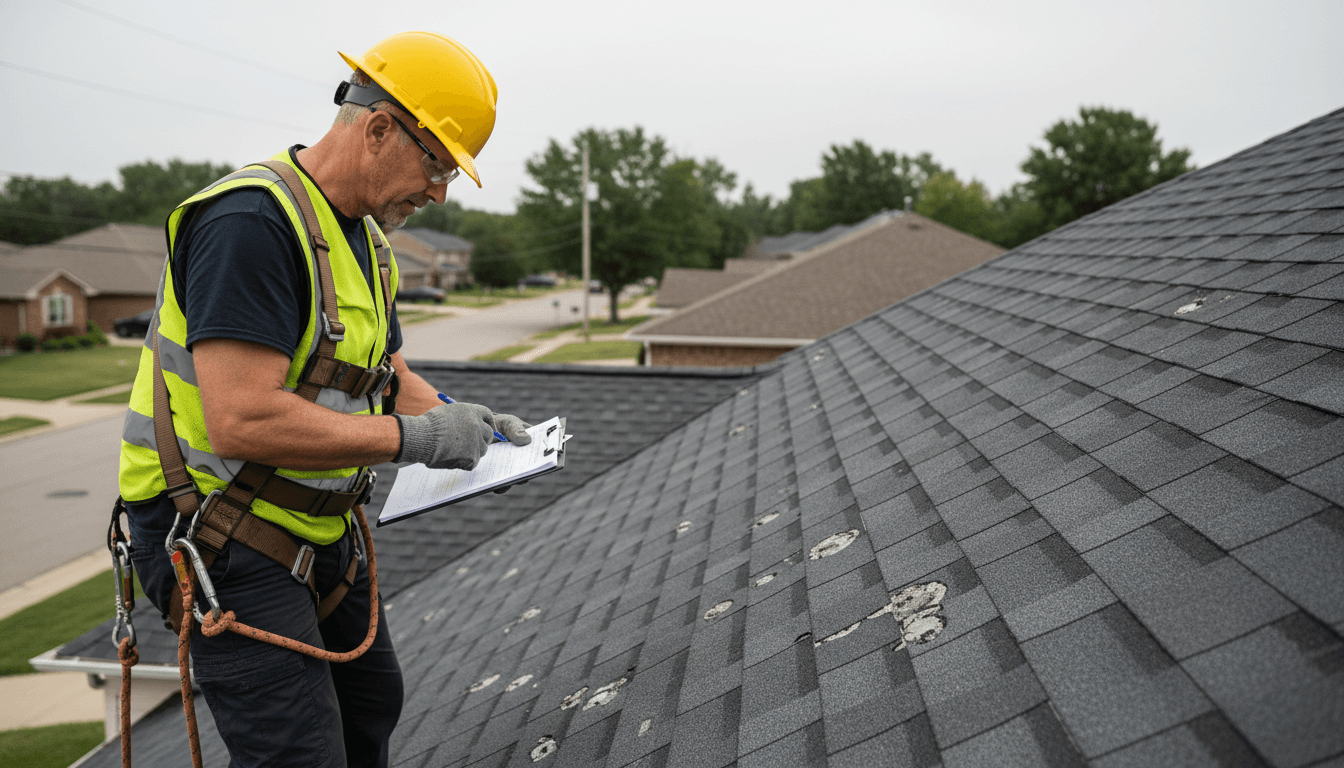
Utilizing drone roof inspections provides a non-invasive solution to prepare roof for fall storm season Texas. Our high-resolution aerial technology captures details that the naked eye often misses from a ladder or the ground. Drones are particularly effective at identifying bruising, which are subtle depressions in the shingle mat caused by previous hail impacts. These bruises often go unnoticed until they eventually leak, but identifying them early allows you to address the issue through our insurance claim expertise rather than waiting for a failure to necessitate an emergency roof repair.
This method ensures a comprehensive assessment of valleys, flashing, and pipe boots without putting unnecessary stress on your roof’s aging components. By choosing a tech-forward, veteran-owned provider, you receive a precise, data-driven report that serves as the ultimate safeguard for your home this autumn. High-resolution imagery offers an objective record that insurance adjusters respect, providing you with the clarity needed to enter the secondary storm season with confidence.