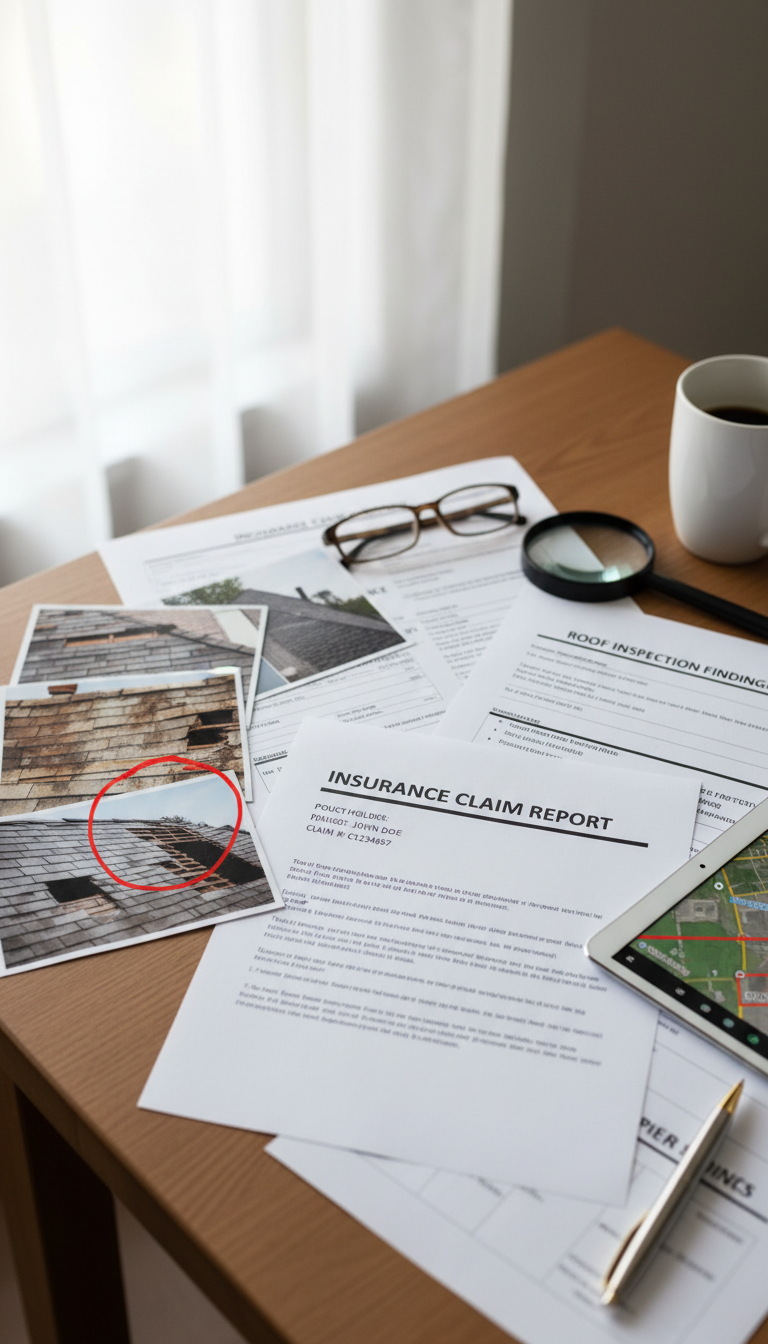
If you have your roof insurance claim denied, you should immediately request a formal explanation and gather supplemental evidence from a professional contractor while holding off on permanent repairs. You can then challenge the rejection by requesting a re-inspection with a different adjuster or filing a formal written appeal to the insurance company.
Receiving a denial letter after a severe North Texas storm is a frustrating experience that leaves many homeowners feeling abandoned by their providers. You paid your premiums on time; yet, you are now facing thousands of dollars in repairs without the financial support you expected. This rejection does not have to be the final word on the matter. In Texas, the claims process is notoriously complex, but understanding your policy rights and the specific reasons behind a denial is the first step toward a successful appeal. This guide explores exactly why North Texas insurance claims fail, the critical mistakes to avoid when speaking with adjusters, and the procedural steps required to overturn a decision. We will walk you through everything from independent inspections to the legal resources available to ensure your home receives the professional coverage it deserves.
Why Roof Insurance Claims Get Denied in North Texas
Receiving notice that your roof insurance claim was denied is a frustrating reality for many homeowners across Sherman and McKinney. In North Texas, the primary technical reason for denial usually centers on the distinction between wear and tear and actual storm damage. Insurance adjusters often attribute granule loss or shingle cracking to the region’s extreme heat and natural aging rather than the specific hail event that triggered the claim.
North Texas hail patterns are unique. In areas like Grayson and Collin Counties, wind-driven hail often strikes at an angle, creating impact marks that adjusters sometimes misclassify as mechanical damage or pre-existing deterioration. This is where insurance claim expertise becomes critical. A common sticking point in Texas policies is the differentiation between cosmetic and functional damage. Many modern policies include cosmetic waivers, allowing carriers to deny coverage if the hail only affected the appearance of a metal roof or the surface of a shingle without causing an immediate leak.
However, what an adjuster calls cosmetic, a professional knows as functional. For instance, significant granule loss on an asphalt shingle exposes the underlying bitumen to UV rays, which leads to premature failure. If your roof insurance claim was denied based on these classifications, it often means the adjuster overlooked the long-term integrity of the structure. Obtaining an independent roof inspection can provide the granular evidence needed to prove that the cosmetic marks are, in fact, functional breaches of the roofing system's protective layer.
Immediate Steps to Take After a Claim Denial

A roof insurance claim denied notice can feel like a dead end, but it is often just the starting point for a professional appeal. Your first priority is to stay calm; insurance carriers frequently issue denials based on incomplete assessments. Before taking any drastic action, perform these tactical steps:
Scrutinize the Denial Letter: Identify the exact language used. Does it cite "pre-existing wear and tear" or a "cosmetic exclusion"? Pinpointing the carrier's specific reasoning allows you to gather targeted counter-evidence.
Request Your Full Claim File: Many North Texas homeowners do not realize they have a legal right to the adjuster’s full report. This includes the high-resolution photos, site notes, and the specific estimate software files used to calculate your loss. This file often reveals if the adjuster missed critical damage patterns common in Sherman and McKinney.
Preserve the Evidence: Avoid starting major repairs immediately. While you should perform emergency roof repairs like tarping to prevent interior water damage, replacing sections of the roof can erase the proof needed for a re-inspection.
Document Everything: Create a folder for all correspondence. Take your own photos of the hail impact marks or wind-lifted shingles to compare against the adjuster's findings.
Integrity and transparency are at the core of our insurance claim expertise. By systematically gathering this data, you move from an emotional response to a factual dispute based on the actual condition of your property.
What Not to Say to a Roof Insurance Adjuster
When an adjuster visits your property in Sherman or McKinney, your choice of words can inadvertently lead to a roof insurance claim denied notice. Insurance adjusters are tasked with identifying the proximate cause of damage; casual remarks often provide the justification they need to classify recent storm damage as a long-term maintenance issue.
Avoid using self-deprecating phrases such as "it’s just an old roof" or "I knew I needed a new one soon." These statements practically invite the adjuster to categorize the loss as wear and tear, which is a common exclusion in North Texas policies. Similarly, saying "it might have been leaking for a while" or "I noticed a small spot a few months ago" can trigger a denial based on pre-existing conditions or a failure to maintain the property. Adjusters are specifically looking for reasons to prove the damage predates the specific storm event you are claiming.
In keeping with our commitment to integrity, we advocate for absolute honesty. However, honesty requires precision. Do not guess about dates or the technical condition of your shingles. If you are unsure when a specific leak started, state when you first observed it following a documented storm. Avoid speculating on the cause of the damage; instead, rely on insurance claim expertise to provide the technical evidence. By focusing strictly on the timeline of the weather event and avoiding general assumptions about your roof’s lifespan, you keep the conversation centered on the covered peril.
Understanding the Texas Roof Insurance Appeal Process
The Texas insurance landscape is governed by specific consumer protections outlined by the Texas Department of Insurance (TDI). When you encounter a roof insurance claim denied notice, the appeal process officially begins with a formal request for re-inspection. This is a request for the insurance carrier to assign a new adjuster to the file. It is highly beneficial to have a professional with insurance claim expertise present during this meeting to ensure that storm-specific damage patterns common to the DFW area are not dismissed.
If a second inspection fails to resolve the disagreement, you may invoke the Appraisal Clause. This is a contractual mechanism used to settle disputes over the amount of loss. In this process, both the homeowner and the insurer hire independent appraisers who then select a neutral umpire. A decision reached by any two of these three individuals is binding. While appraisal is effective for pricing disputes, it often requires a prior independent roof inspection to establish a comprehensive scope of work before the appraisers meet.
Alternatively, mediation offers a less formal path. The TDI facilitates a program where a neutral third party helps both sides reach a voluntary settlement. Mediation is particularly useful for North Texas homeowners who feel their claim was handled unfairly but want to avoid the legal fees associated with litigation. Throughout these steps, remember that Texas law requires insurers to act in good faith. If a carrier refuses to acknowledge documented damage or fails to meet state-mandated response timelines, you have the right to escalate the matter through a formal TDI complaint.
The Role of an Independent Roof Inspection
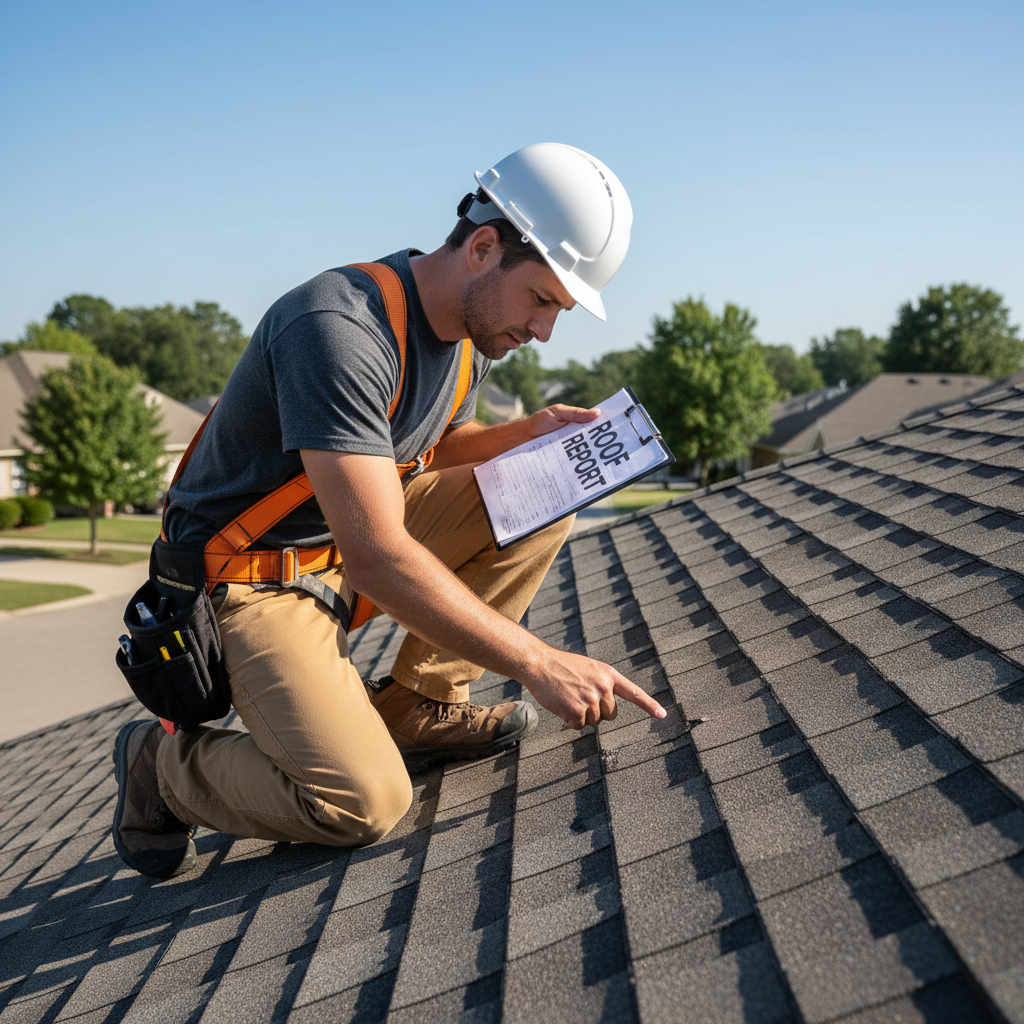
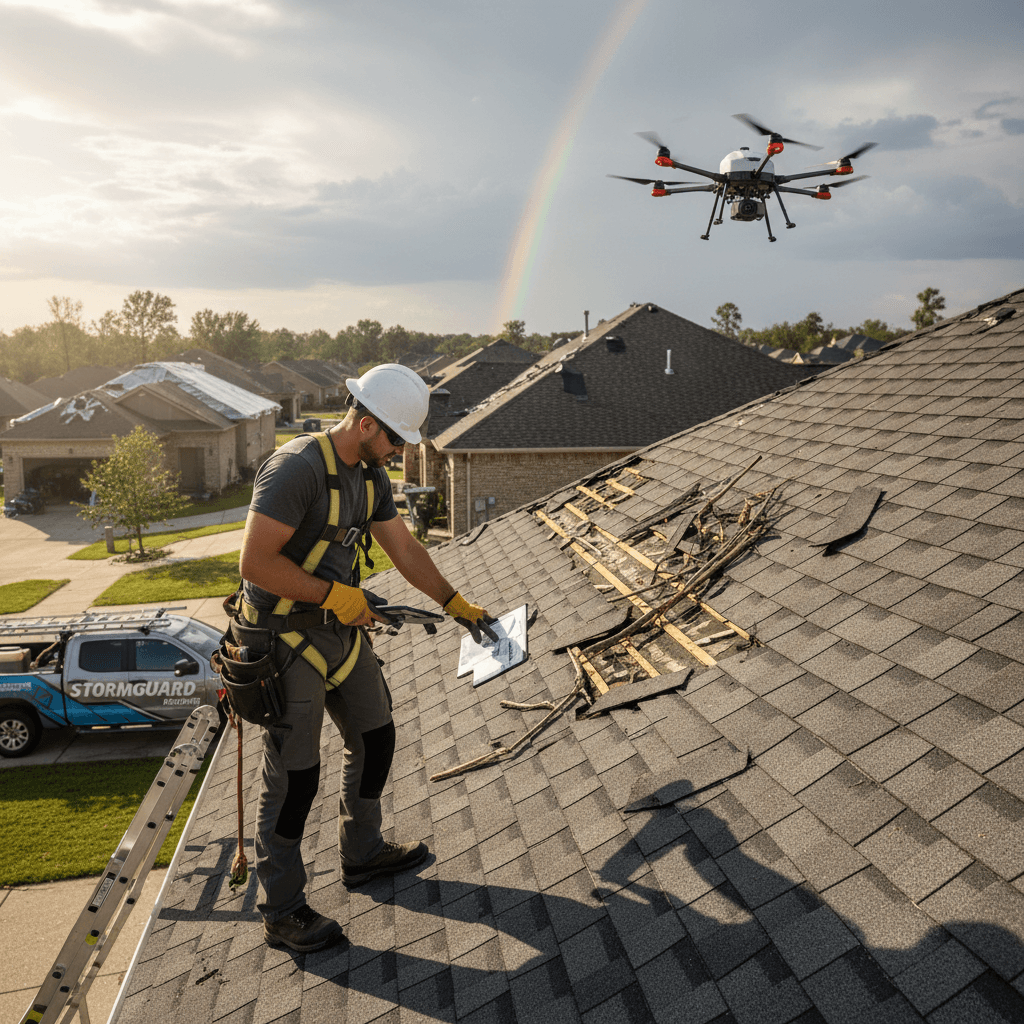
Navigating an appeal requires evidence that directly contradicts the initial findings of the carrier. An independent roof inspection serves as a necessary counterweight to the adjuster’s assessment. While an insurance adjuster’s primary objective is liability limitation, a veteran-led contractor focuses on full restoration. At Three Crosses, we utilize drone technology to gather objective, high-definition data that captures micro-fractures and thermal anomalies often missed during a standard manual walk-over.
This technical data is essential for establishing the proximate cause of damage. If your roof insurance claim was denied due to alleged wear and tear, an expert with insurance claim expertise can often prove that a specific hail event was the actual catalyst for the system's failure. By documenting how impact marks have functionally breached the shingle’s protective layers, we shift the conversation from subjective interpretation to objective, documented loss. This level of detail provides a factual basis for your appeal, ensuring the focus remains on your property’s structural integrity.
Can Insurance Deny a Hail Damage Claim on an Old Roof?
A common misconception among homeowners in Sherman and McKinney is that a 20 year old roof is automatically ineligible for a storm claim. While age makes the process more complex, insurance companies cannot legally deny a claim solely because a roof is old if a covered peril, such as a North Texas hail storm, caused the damage. The primary factor in these cases is not the age itself, but how your specific policy handles depreciation.
In Texas, policies typically fall into two categories: Replacement Cost Value (RCV) and Actual Cash Value (ACV). An RCV policy covers the total cost of a new roof at current market rates, minus your deductible. However, many carriers transition older roofs to ACV coverage after 10 or 15 years. Under ACV, the insurer calculates the replacement cost and then subtracts depreciation based on the roof’s remaining life. If your roof insurance claim denied notice cites wear and tear for a 20 year old roof, the carrier is arguing that the shingles reached the end of their life naturally rather than through storm impact.
Having a realistic outlook is essential for systems nearing the end of their lifespan. On an older roof, even an approved claim might result in a payout that covers only a portion of the total replacement cost due to high depreciation. By applying insurance claim expertise, we help you document that the storm, not just time, was the proximate cause of failure. An independent roof inspection provides the evidence needed to show that the shingles still possessed functional integrity prior to the hail event, challenging the assumption that the damage was inevitable.
When to Hire a Public Adjuster or Insurance Attorney
If a second inspection and internal appeal fail to overturn a roof insurance claim denied notice, you must decide whether to involve a licensed Public Adjuster or a specialized attorney. It is vital to understand that in Texas, roofing contractors are legally prohibited from acting as public adjusters. We cannot negotiate the specific terms of your policy or handle the financial settlement directly. However, we provide the foundational insurance claim expertise required for these professionals to succeed. Our professional role is to supply the technical evidence, such as high-resolution data from an independent roof inspection, which a Public Adjuster or attorney uses to substantiate the loss.
Hiring a Public Adjuster typically involves a fee ranging from 10% to 15% of the final settlement. This expense is generally justified if the carrier remains firm on a total denial or an undervalued estimate that fails to cover the actual cost of repairs. If the dispute involves complex legal breaches or documented bad faith, an attorney may be necessary. Always weigh the potential increase in the settlement against these professional fees to ensure the final payout still allows for a high quality restoration of your property.