Proper attic ventilation Texas prevents extreme heat buildup that can shorten a roof's lifespan by up to ten years while protecting homeowners from voided manufacturer warranties. Without adequate airflow, trapped heat bakes shingles from underneath and significantly increases cooling costs during intense summer months.
When the North Texas summer settles in, your attic can easily reach temperatures exceeding 150 degrees. This trapped heat does more than just stress your air conditioning unit; it effectively bakes your roofing system from the inside out. For many homeowners in Sherman, this silent thermal buildup leads to premature shingle degradation, significant granule loss, and unexpected structural issues. Perhaps most critically, failing to maintain proper airflow can lead to a voided manufacturer warranty when you need it most. In this article, we examine why attic ventilation is a non-negotiable component of roof health in the Texas climate. You will learn the warning signs of poor circulation, the specific advantages of ridge vents versus solar fans, and how a properly engineered system can extend the lifespan of your shingles while reducing your monthly energy expenditures.
The Silent Killer of North Texas Roofs: Trapped Attic Heat
In Sherman and across the DFW metroplex, the summer sun is relentless. While most homeowners focus on the temperature displayed on their smart thermostats, a far more dangerous heat build up occurs just a few feet above their heads. In a poorly managed attic, temperatures frequently soar to 150 or 160 degrees Fahrenheit. This extreme thermal pressure means your home is no longer just hot; it is experiencing a mechanical failure of its cooling system.
When heat is trapped without a sufficient path to escape, it effectively bakes the roof from the inside out. This process degrades the structural integrity of your decking and shingles long before they should naturally wear out. At Three Crosses Roofing & Restoration, our perspective as a veteran owned and operated company drives us to prioritize the long term protection of your largest investment. We understand that the attic ventilation Texas homes require is not merely a matter of comfort; it is a defensive strategy for your property.
Without proper airflow, the chemical bonds in your roofing materials begin to break down under the weight of stagnant, superheated air. Providing emergency roof repairs often reveals that the root cause of the damage wasn't a sudden storm, but years of slow cooking from within. Protecting a home requires more than just high quality shingles. It requires a system that allows the structure to breathe, ensuring the roof survives the brutal North Texas climate rather than becoming a casualty of it.
How Excessive Heat Accelerates Shingle Aging and Granule Loss
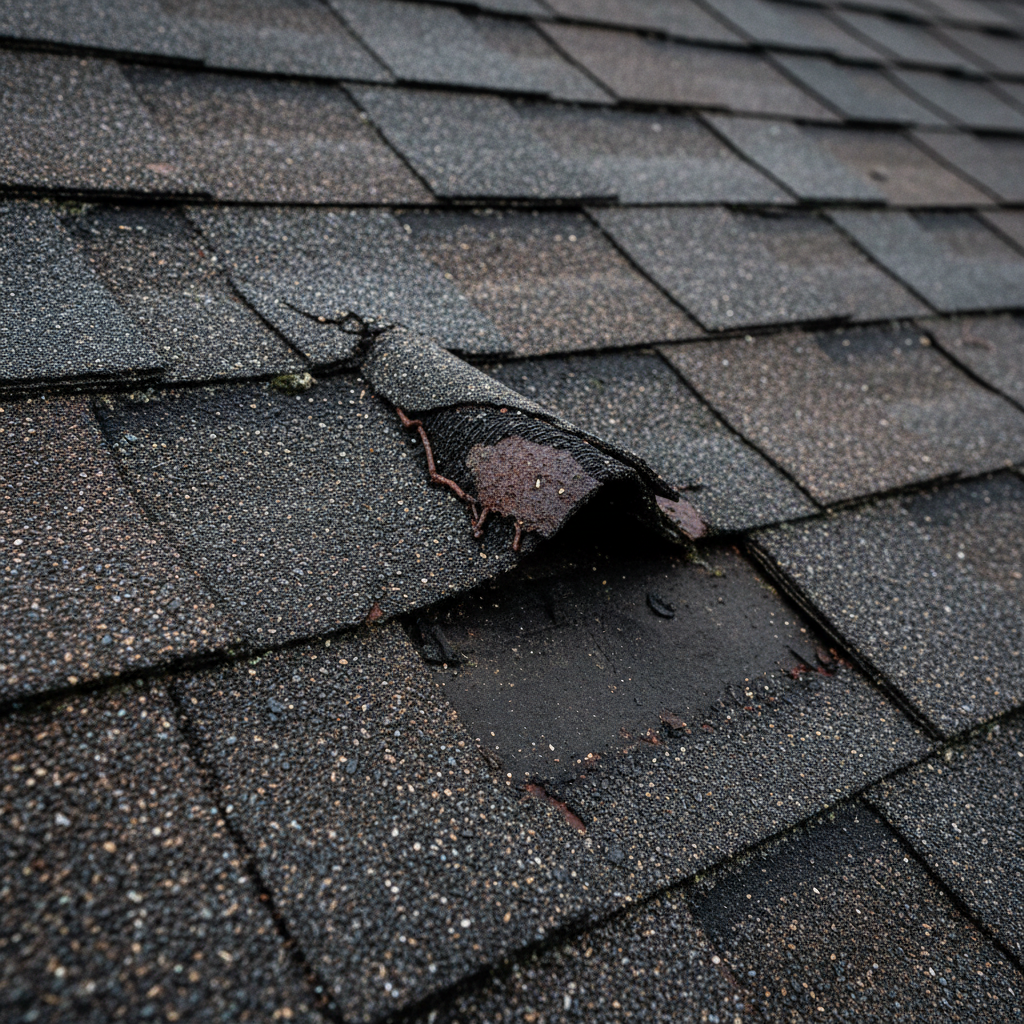
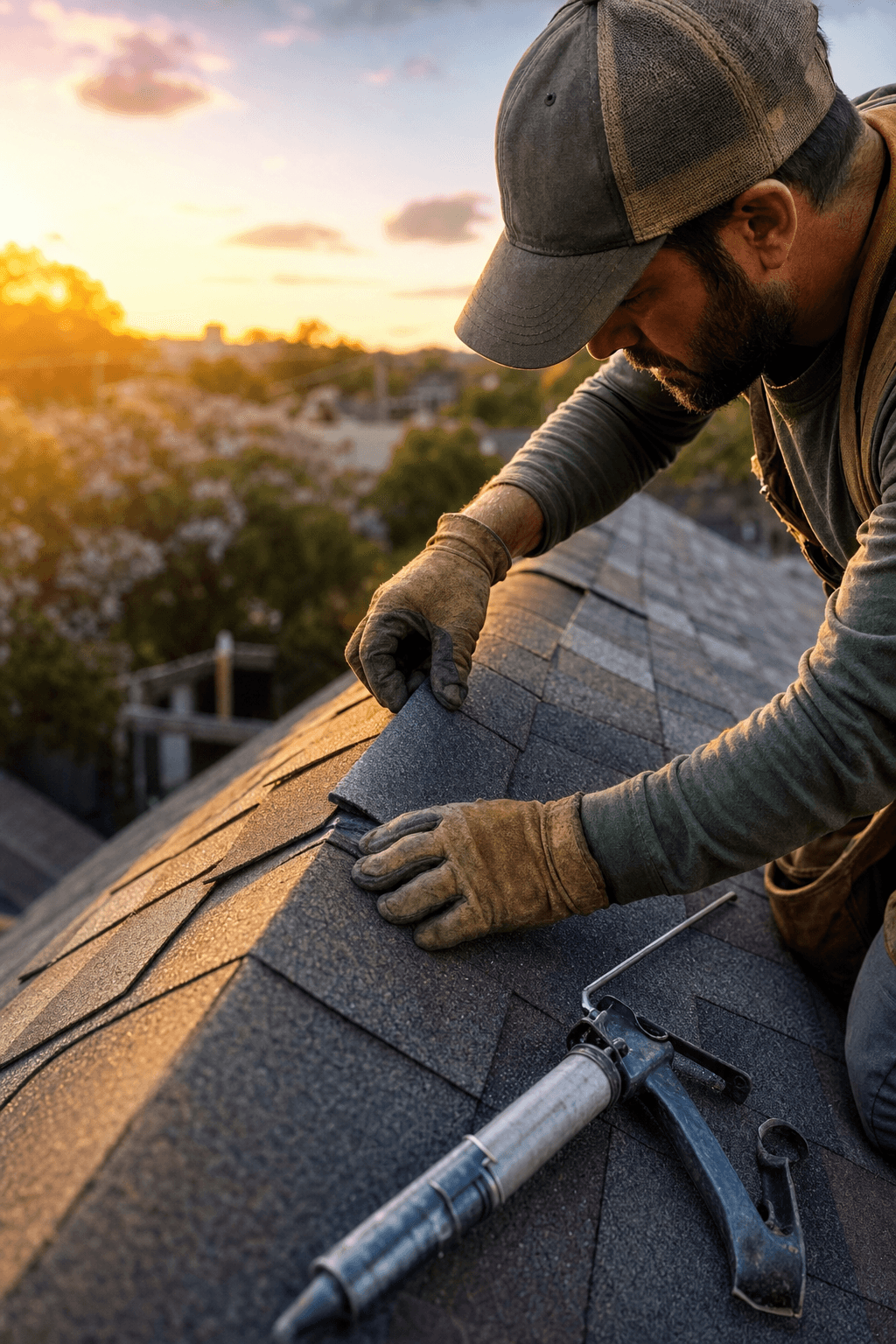
Asphalt shingles are essentially petroleum-based products layered over a fiberglass mat. To maintain their flexibility and water-shedding properties, they rely on a specific concentration of volatile oils. When a home lacks proper attic ventilation Texas summers cause these oils to leach out through evaporation. As the shingle loses its chemical moisture, it becomes brittle and loses its ability to expand and contract. This is particularly damaging during thermal shock events, when a 150 degree roof is suddenly hit by a cooling afternoon thunderstorm. The rapid contraction of the desiccated asphalt causes the mat to crack and the edges to curl or cup.
One of the most visible indicators of this heat damage is significant granule loss. These ceramic granules are designed to protect the asphalt from UV radiation, but as the asphalt dries out, it loses its grip on them. Homeowners in Sherman often find piles of these granules in their gutters after a rain, which is a clear sign that the roof’s protective layer is washing away. In many cases, our drone roof inspections reveal extensive blistering, where trapped moisture or gas expands inside the shingle due to extreme heat.
This accelerated aging explains a common DFW phenomenon: roofs with 30 year architectural shingles failing in as little as 15 to 18 years. When a roof is suffocated by trapped attic air, it is effectively aging two years for every one calendar year. This is not a failure of the material itself, but a failure of the system to manage the extreme thermal loads characteristic of our region. Without a way for the heat to escape, the shingle simply cannot survive its intended lifespan.
The Warranty Trap: Why Poor Ventilation Voids Your Coverage
Many Sherman homeowners assume that a lifetime shingle warranty is a catch all for any premature failure. However, a closer look at the fine print from major manufacturers like GAF and Owens Corning reveals a significant hurdle: Net Free Area (NFA) requirements. These manufacturers stipulate that for a material warranty to remain valid, the attic must be ventilated according to specific building codes, typically following a balanced intake and exhaust system. If a manufacturer representative inspects a failing roof and finds that the attic ventilation Texas regulations require was ignored, they can legally deny the claim, citing improper installation or environmental neglect.
It is vital to distinguish between two types of coverage. A contractor workmanship warranty covers the physical installation, essentially promising that the crew did not leave gaps or high nail the shingles. A manufacturer material warranty covers the integrity of the shingle itself. When a roof cooks due to trapped heat, the material fails, but the manufacturer will blame the lack of airflow rather than a defect in the asphalt.
Warranty Type | Covered By | Focus | Potential Pitfall |
|---|---|---|---|
Workmanship | Roofing Contractor | Installation Quality | Often limited to 2 to 10 years |
Material | Manufacturer (e.g., GAF) | Product Defects | Voids if ventilation is below NFA standards |
Because Three Crosses Roofing & Restoration prioritizes insurance claim expertise, we often see homeowners blindsided by these denials. Before you file a claim or sign a contract for a total replacement, you must verify that your ventilation system meets current standards. A new roof installed over a suffocated attic is simply a ticking clock on a voided warranty. Integrity in roofing means ensuring the ventilation system protects the manufacturer's promise as much as the shingles protect your home.
What Proper Attic Ventilation in Texas Looks Like
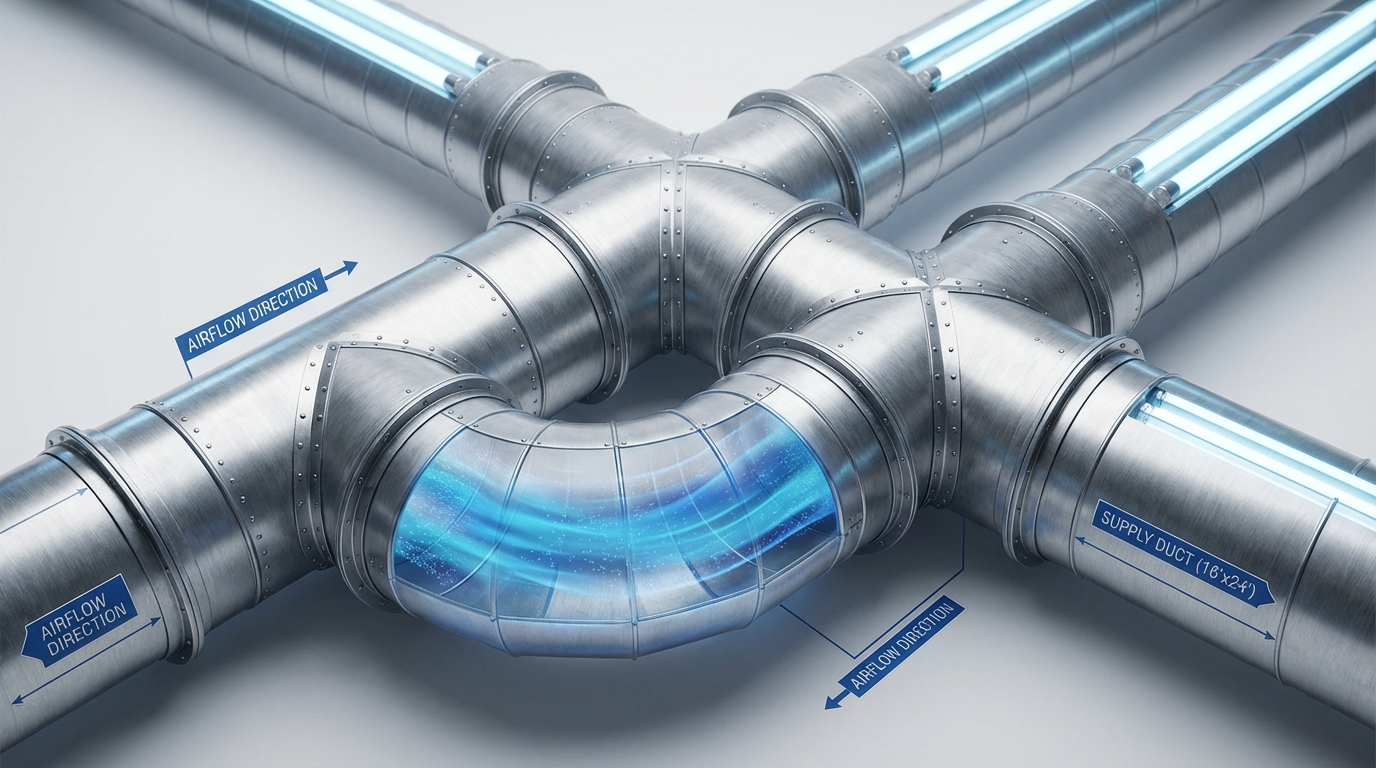
Establishing a code-compliant system begins with the 1:150 rule. This industry standard dictates that for every 150 square feet of attic floor space, you must have at least one square foot of Net Free Area (NFA) for ventilation. However, simply reaching this numerical target is insufficient if the air cannot move freely. A functional system requires a precise, 50/50 balance between intake and exhaust.
Think of your home like a chimney. For a chimney to successfully pull smoke upward and out of a fireplace, it requires a steady supply of air from the bottom. In a professional roofing system, your soffit vents serve as the intake, drawing cooler air from the eaves. This intake air creates the necessary pressure to push stagnant, superheated air out through exhaust vents located at the highest points of the roof, such as ridge or off-ridge vents.
In the DFW climate, having only one side of this equation is ineffective. If a contractor installs ridge vents but ignores clogged or nonexistent soffit vents, the chimney effect cannot occur. Conversely, intake vents without a clear exhaust path allow heat to pool at the peak, continuing to bake the shingles from underneath. Achieving proper attic ventilation Texas homeowners can rely on means ensuring this cycle is continuous and unobstructed, allowing the structure to breathe naturally and maintain a stable internal temperature.
Types of Roof Ventilation Systems: Ridge Vents vs. Solar Fans
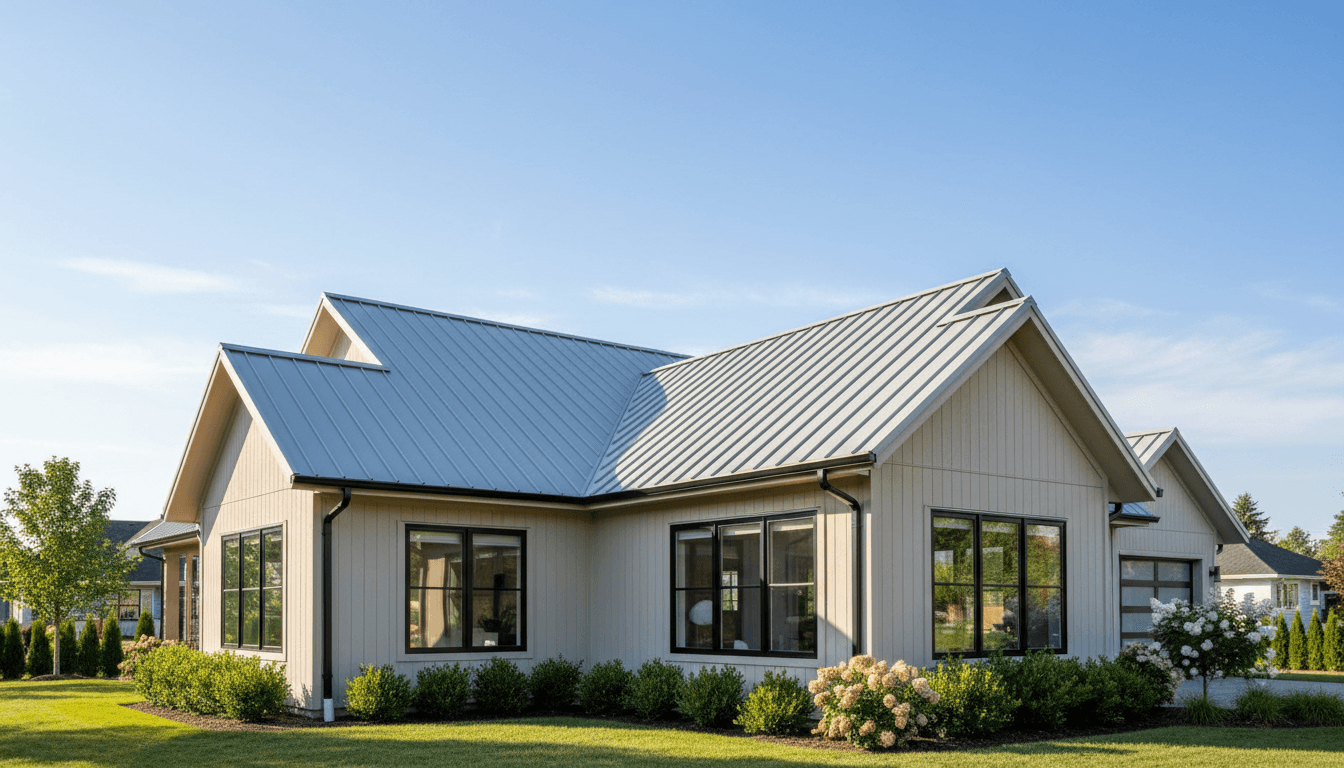
In the DFW climate, ventilation falls into two categories: passive and active. Ridge vents represent the gold standard for passive attic ventilation Texas homeowners typically receive during a high quality replacement. These vents run along the peak of the roof, providing a continuous, low profile exhaust that utilizes the natural tendency of heat to rise. Because they are located at the absolute highest point, they allow the hottest air to escape efficiently without mechanical assistance or electricity.
However, not every roof structure facilitates long, straight ridge lines. For homes with complex hip roofs or limited ridge space, an active system like a solar powered attic fan is often necessary. These units use a photovoltaic panel to power a motor that forces air out. This is particularly effective for large attic volumes where passive airflow might struggle to create enough pressure.
System Type | Power Source | Best Use Case | Primary Benefit |
|---|---|---|---|
Ridge Vents | Passive (Convection) | Simple, continuous ridgelines | No moving parts or operating cost |
Solar Fans | Active (Solar Energy) | Hip roofs or limited ridge space | High volume air movement without wiring |
A common mistake is the "short circuiting" of the ventilation system. If a solar fan is installed too close to a ridge vent, the fan will pull air from the nearby ridge vent rather than the soffits at the eaves. This effectively bypasses the lower attic, leaving the bulk of the space stagnant and hot. During drone roof inspections, we often identify these conflicting systems that actually hinder cooling. Engineering the system for integrity means ensuring intake and exhaust points are spaced correctly so the air path covers the entire underside of the roof deck.
Five Signs Your Sherman Home Has a Ventilation Problem
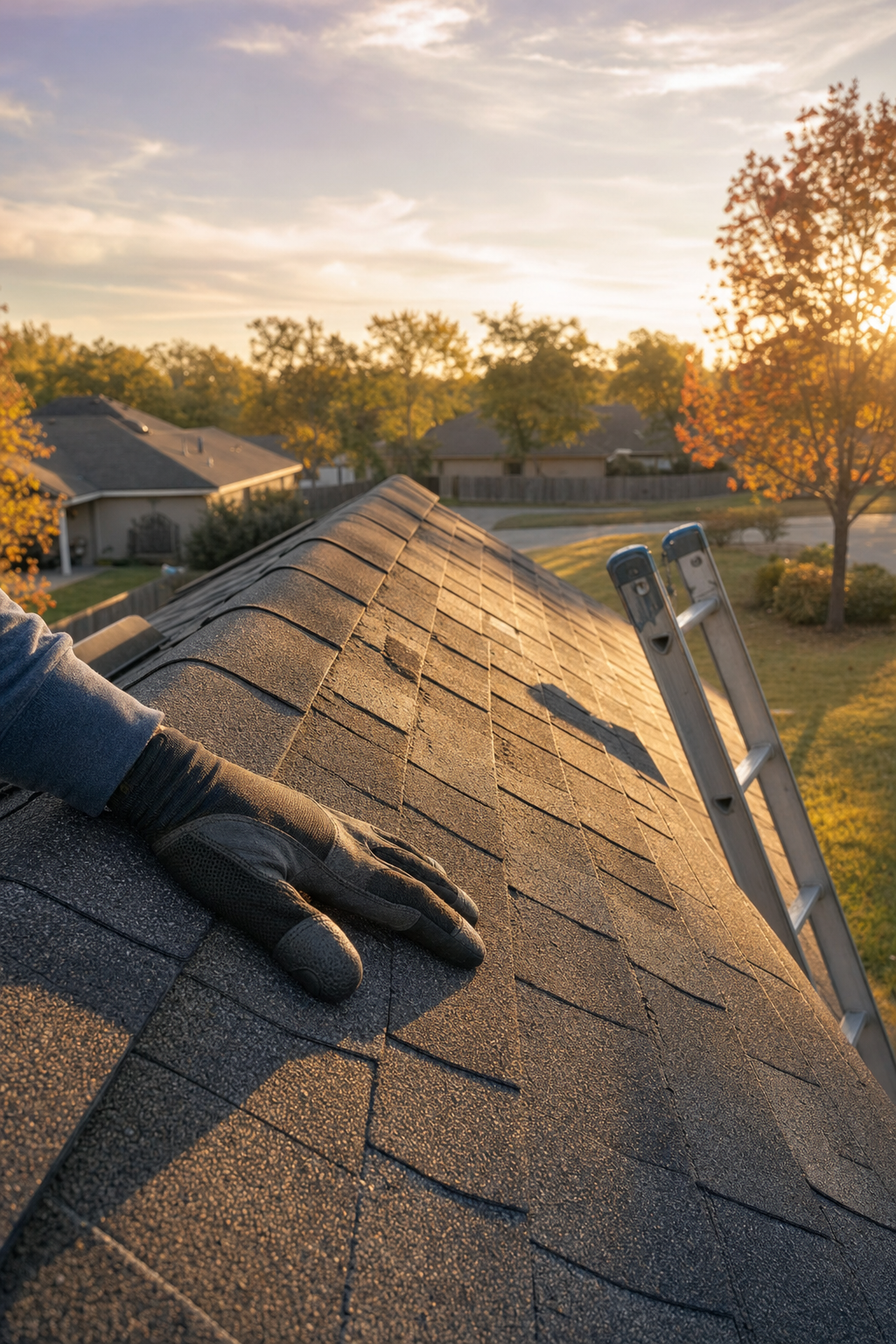
Identifying a failure in attic ventilation Texas homeowners often overlook requires paying attention to both the interior and exterior of the property. If your attic is trapping heat, your home will display specific symptoms of distress. Use this checklist to evaluate your Sherman property:
Extreme Temperature Variance: The second floor or rooms directly beneath the attic remain significantly hotter than the rest of the house, regardless of thermostat settings.
Constant HVAC Cycling: Your air conditioner runs without stopping, even on mild 80 degree days, because it is battling a 150 degree thermal mass above the ceiling.
Abnormal Energy Costs: Monthly electricity bills are noticeably higher than neighboring homes of a similar size and age.
Physical Shingle Deformation: Shingles appear to be curling at the edges, cupping, or showing small raised blisters where trapped gas has expanded.
The Radiant Heat Test: On a sunny afternoon, touch the ceiling in an upstairs room. If it feels hot to the touch, your attic is effectively acting as a heat lamp.
While some signs are internal, external damage is often subtle. At Three Crosses Roofing & Restoration, we utilize drone roof inspections to identify these heat related shingle issues from a safe distance, providing clear evidence of thermal damage before it necessitates emergency roof repairs.
The Impact on Your Cooling Bills and HVAC Lifespan
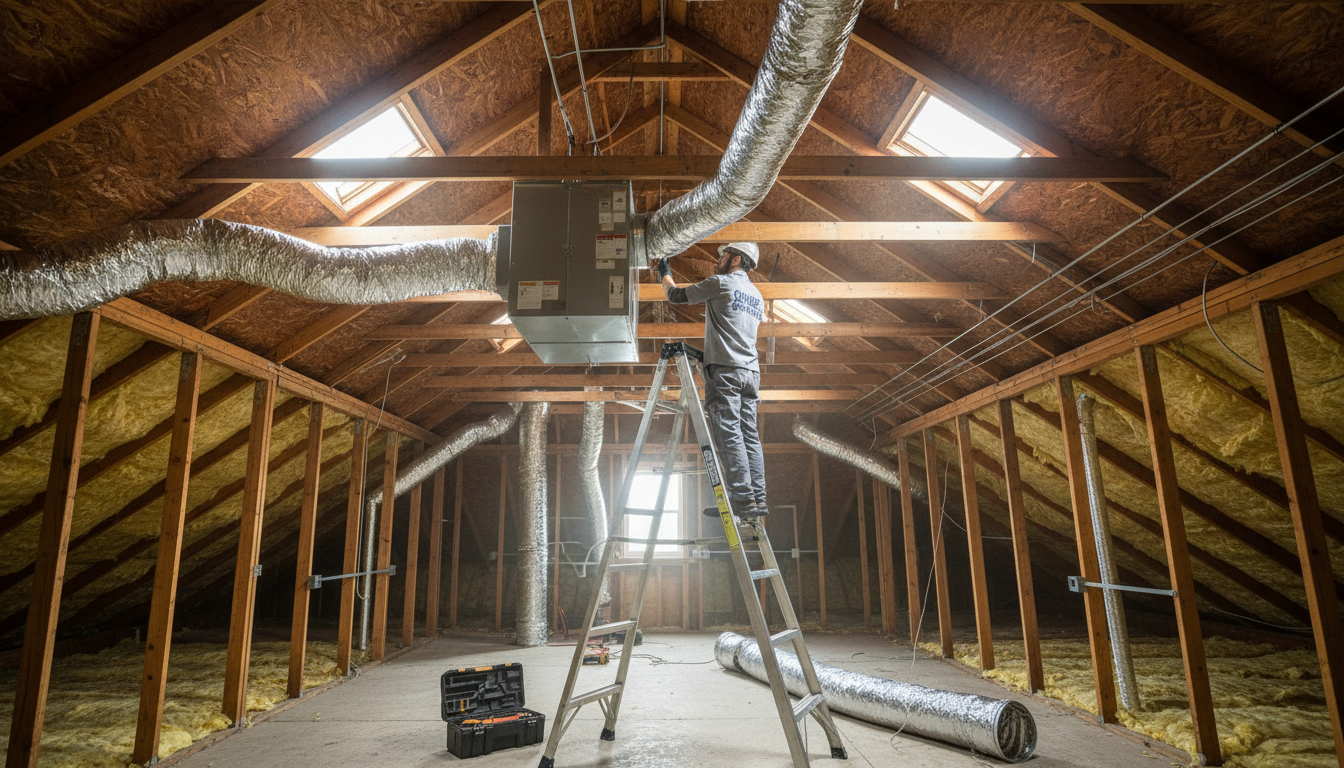
In the DFW metroplex, most HVAC units and ductwork are installed directly in the attic space. When poor airflow allows temperatures to hit 150 degrees, your cooling system is effectively sitting in an oven. The conditioned air must travel through ducts surrounded by stagnant, superheated air, which causes significant heat transfer before that air even reaches your vents. This forces the AC compressor and blower motor to work twice as hard to reach the desired temperature, leading to astronomical energy bills during the peak of summer.
The resulting mechanical strain often leads to premature system failure. A unit designed to last 15 years may only last 10 when forced to battle such extreme thermal loads daily. By investing in proper attic ventilation Texas homeowners can significantly lower the ambient temperature around their equipment. We approach this as a vital part of our restoration services because it offers a clear return on investment. It is a home improvement that pays for itself by protecting your mechanical systems and ensuring your property operates with efficiency and integrity.
Common Ventilation Mistakes to Avoid During Roof Replacement
The most frequent error we encounter involves the unseen intake system. When homeowners or contractors add extra insulation, they often inadvertently block the soffit vents at the eaves. Without baffles to maintain a clear channel for air, the entire system fails before it starts. Another critical mistake is mixing different exhaust methods. For example, combining a motorized power fan with a passive ridge vent creates a short-circuit. Instead of drawing cool air from the soffits, the fan pulls air from the nearby ridge vent, leaving the rest of the attic space to bake.
Three Crosses Roofing & Restoration approaches every project with the integrity expected of a veteran-owned business. We ensure your ventilation layout is engineered correctly, using drone roof inspections to verify external placement and our insurance claim expertise to confirm the project meets manufacturer NFA standards. Cutting corners on attic ventilation Texas requirements leads to premature failure and avoidable emergency roof repairs. We focus on making the hidden components of your roof just as durable as the shingles you see from the curb.
Proper attic ventilation is the first line of defense against the brutal Texas heat; without it, your shingles and warranty coverage are at serious risk. Managing that airflow ensures your home stays protected for years to come. If you want expert help assessing the current health of your roofing system, our team can provide a comprehensive perspective. Utilizing professional Drone Inspections is a simple way to identify potential heat damage or blockages without the need for invasive equipment.