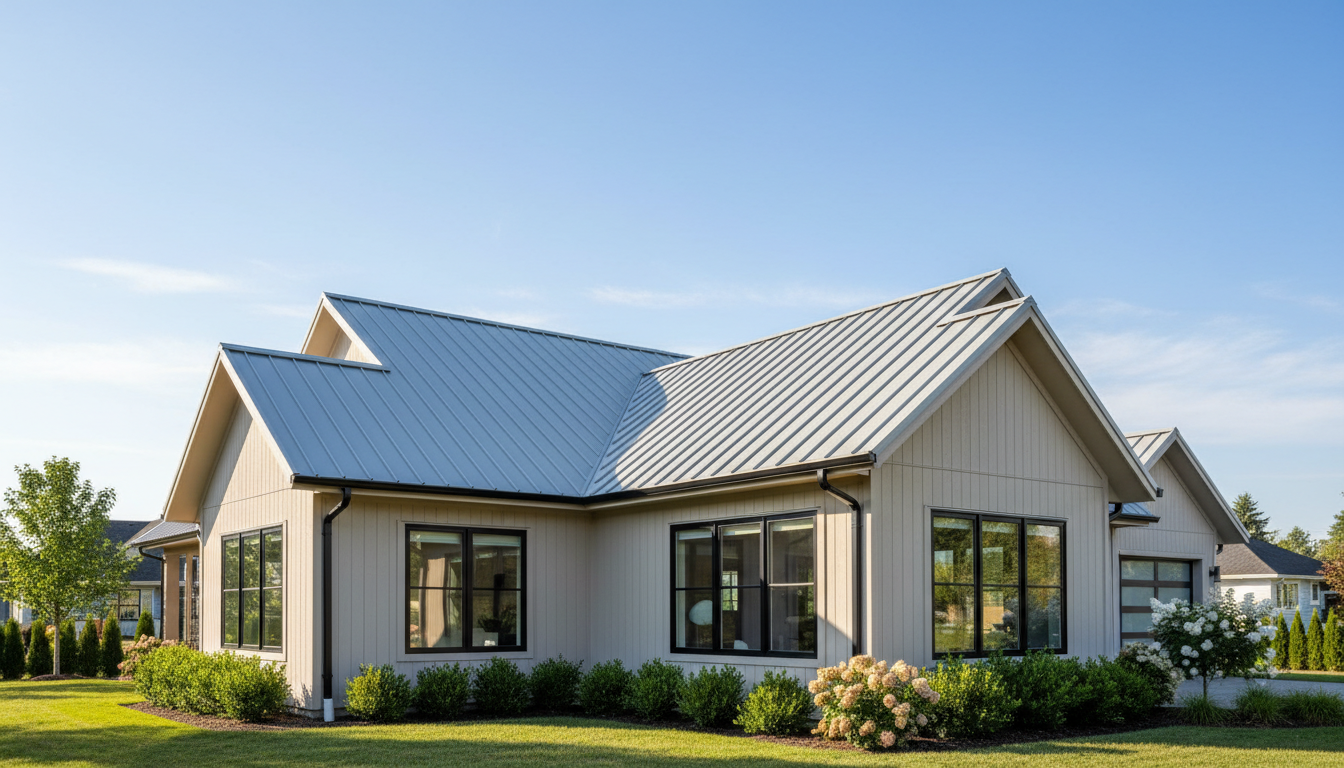
Yes, a metal roof is worth it in Texas because it offers unmatched durability against extreme hail and heat while significantly reducing monthly cooling costs. Although the upfront price is higher than shingles, the long lifespan of up to 70 years and potential insurance premium discounts ensure that a metal roof is worth it in Texas for most homeowners.
Texas homeowners are no strangers to the relentless cycle of hail damage and rising cooling costs. Between the punishing summer sun and the volatile spring storm season, standard asphalt shingles often feel like a temporary fix rather than a permanent shield for your property. This leads to the inevitable question: is the higher upfront cost of a metal roof actually worth the investment in our specific climate? At Three Crosses Roofing & Restoration, we believe in providing clear, expert guidance on long term property protection. In this guide, we will analyze the initial investment versus lifetime savings, the reality of insurance discounts for Class 4 impact resistance, and how metal roofs withstand the North Texas heat. You will also learn about Texas SB 1212 and the honest drawbacks that most contractors avoid discussing.
The Realities of the Texas Climate: Why Homeowners Are Swapping Shingles for Metal
Living in North Texas means your home faces a relentless assault from the elements. Between the scorching sun that defines our summers and the volatile storms that roll through Hail Alley, the standard asphalt shingle is often overmatched. In Sherman and the surrounding DFW area, we frequently see shingles that should theoretically last twenty years failing in less than ten. The intense UV exposure bakes the oils out of the petroleum-based shingles, leading to cracking, curling, and significant granule loss. When you combine this thermal degradation with the frequent impact of large hail, many homeowners begin to wonder, is a metal roof worth it in Texas?
As a veteran-owned and operated company, Three Crosses Roofing & Restoration approaches every project with the same integrity we brought to our military service. We provide honest assessments of your current structure, often utilizing drone roof inspections to identify precise areas of failure that the naked eye might miss. Because we prioritize professional insurance claim expertise, we understand that a roof is a critical defense against the unique stressors of our region. Swapping to metal is no longer just an aesthetic choice; it is a strategic decision to combat the premature failure common to traditional materials in the DFW heat.
The Upfront Investment: Metal Roof vs Shingles Cost in Texas
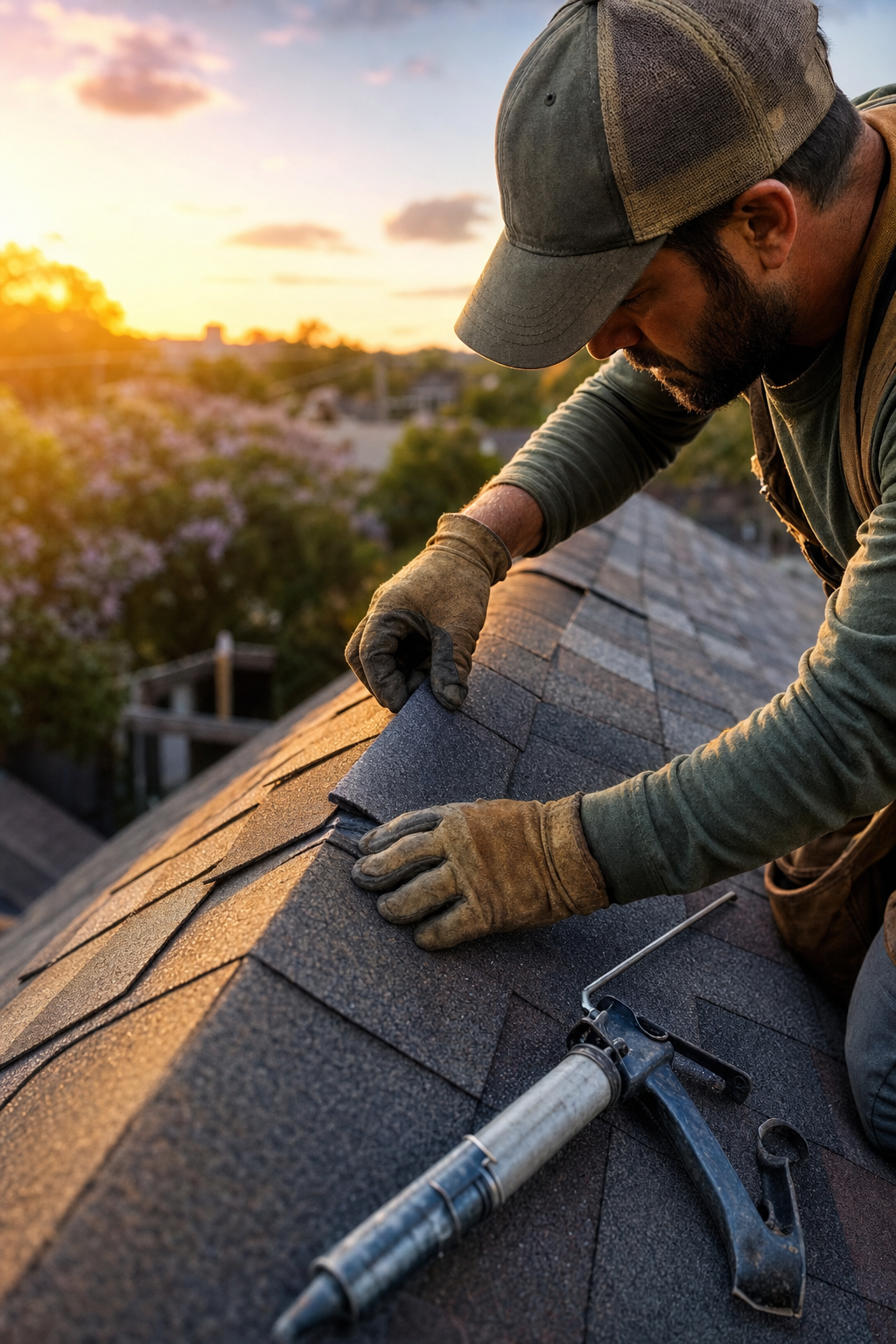
The most significant barrier for homeowners considering a premium upgrade is the initial price tag. In the current 2026 market, the cost disparity between materials remains substantial. For a standard asphalt shingle installation in the Sherman and DFW markets, you can expect to pay between $4 and $8 per square foot. In contrast, a high-quality metal roof generally ranges from $14 to $25 per square foot, depending on the specific gauge and profile selected.
To put this into perspective for a typical 2,000 square foot home in our area, a metal installation will likely run between $28,000 and $50,000. While these figures may cause initial hesitation, evaluating whether is a metal roof worth it in Texas requires looking past the first invoice to the total cost of homeownership over several decades.
Roofing Material | Cost Per Square Foot (2026) | Expected Lifespan (North Texas) |
|---|---|---|
Asphalt Shingles | $4 – $8 | 15 – 25 Years |
Metal (Steel/Standing Seam) | $14 – $25 | 50 – 70 Years |
In the volatile North Texas climate, asphalt shingles are rarely a permanent solution. Due to extreme heat and storm frequency, many local homeowners find themselves replacing shingles every 15 to 20 years. Metal roofing, however, is engineered for a 50 to 70 year lifespan. When you calculate the cost of two or three shingle replacements over the same period, including the rising costs of labor and petroleum-based materials, the financial math shifts in favor of metal. For many of our clients, this is quite literally the last roof they will ever buy for their home.
Because we understand that this represents a major capital improvement, we offer various financing options to help bridge the gap between a standard insurance payout and the cost of a premium metal system. Investing in metal is a hedge against future inflation, rising material costs, and the inevitable return of North Texas hail.
The Insurance Equation: Discounts and Class 4 Protection
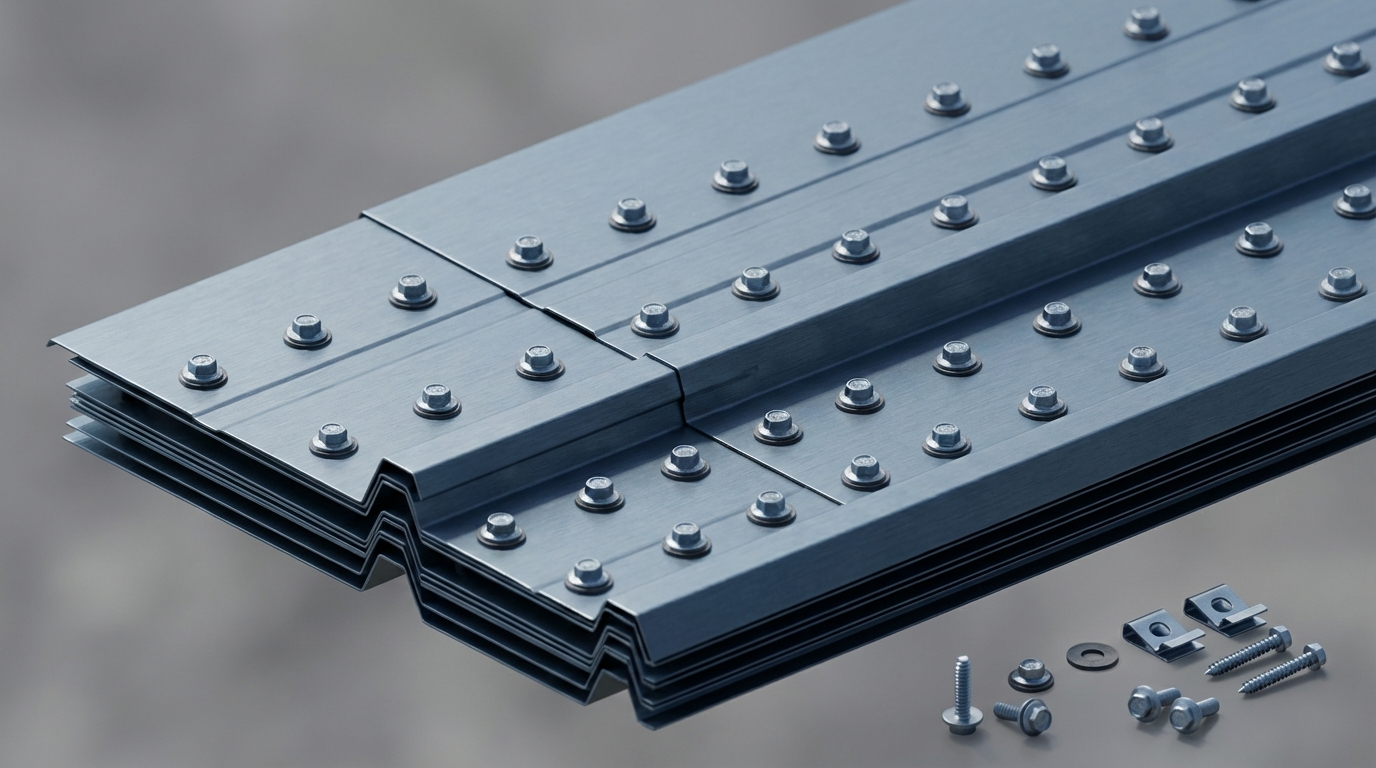
The financial justification for choosing metal extends beyond its long lifespan; it involves immediate and recurring reductions in your annual operating costs. In Texas, insurance carriers recognize the durability of metal through the Class 4 impact resistance rating. This classification, specifically the UL 2218 standard, means the roofing material has survived rigorous testing against simulated hail impacts. Because North Texas sits in the heart of Hail Alley, the Texas Department of Insurance (TDI) requires insurance companies to provide mandatory discounts to homeowners who install these hail resistant materials.
While even some premium asphalt shingles carry this rating, a metal roof provides a much higher level of structural confidence for the insurer. A Class 4 rating typically leads to savings between 10% and 35% on the wind and hail portion of a homeowner policy. Major companies like State Farm offer significant credits for these installations, often viewing metal as a way to mitigate the frequent claims associated with DFW weather. When you consider the 50 to 70 year lifespan of the material, these annual savings can eventually offset a large portion of the initial investment.
Properly documenting the installation is vital to securing these lower premiums. At Three Crosses Roofing & Restoration, we utilize our insurance claim expertise to ensure your provider receives the necessary certification of completion and material specifications. When evaluating if is a metal roof worth it in Texas, you must factor in these recurring dividends. The upfront cost is higher, but the combination of fewer total replacements and lower annual premiums creates a compelling financial case for Sherman homeowners.
Can I Upgrade to a Metal Roof After Hail Damage?
Many Sherman homeowners assume insurance won't allow a material upgrade following a storm, but the reality is more flexible. While your policy typically only covers the cost to return your home to its pre loss condition, which is usually asphalt shingles, you are not restricted to that specific material for the replacement. Think of your insurance settlement as a significant down payment toward a superior system.
If your adjuster approves a $15,000 claim for shingle replacement, those funds can be applied directly to the cost of a standing seam or stone coated steel roof. You simply cover the gap between the insurance payout and the total metal installation cost. This strategy allows you to transition to a lifetime material without bearing the full $28,000 to $50,000 cost out of pocket. For many of our clients, this is the most financially sound moment to make the switch.
Navigating these logistics requires deep insurance claim expertise. As a veteran owned company, Three Crosses Roofing & Restoration prioritizes integrity throughout this process. We work to ensure adjusters account for every damaged component, from flashings to gutters, to maximize the initial payout. When determining if is a metal roof worth it in Texas, the ability to leverage a storm claim to offset the upgrade cost is often the deciding factor. We provide a transparent breakdown of the price difference, ensuring you understand exactly how your claim funds are being allocated toward your new, storm resistant roof.
Energy Efficiency: Beating the North Texas Heat
Beyond the financial strategy of leveraging insurance proceeds, the recurring utility savings provide a secondary layer of practical value. North Texas experiences over 230 sunny days per year. This constant solar radiation is particularly taxing on standard roofing materials. Asphalt shingles are petroleum based and naturally dark, causing them to act as thermal sponges. On a typical 100 degree Sherman afternoon, the surface temperature of an asphalt roof can climb to a staggering 160 degrees Fahrenheit. This intense heat eventually transfers into your attic and living space, forcing your air conditioning system to work overtime.
Metal roofs are engineered with "Cool Roof" properties that fundamentally change how your home interacts with the sun. Instead of absorbing thermal energy, metal reflects a significant portion of solar radiation back into the atmosphere. This reflective capability keeps surface temperatures 50 to 60 degrees cooler than traditional shingles. When our team performs drone roof inspections, we frequently document the accelerated thermal degradation that heat causes on shingle systems. By switching to metal, homeowners in the DFW area typically reduce their summer cooling costs by 15% to 25%. When evaluating if is a metal roof worth it in Texas, the reduction in monthly utility bills and the decreased strain on your HVAC equipment represent a substantial return on investment.
Roof Performance | Asphalt Shingles | Metal Roofing |
|---|---|---|
Peak Surface Temperature | Up to 160°F | 100°F – 110°F |
Solar Interaction | Absorption | Reflection |
Cooling Cost Impact | Standard Baseline | 15% – 25% Reduction |
The Honest Downsides: What Most Contractors Wont Tell You
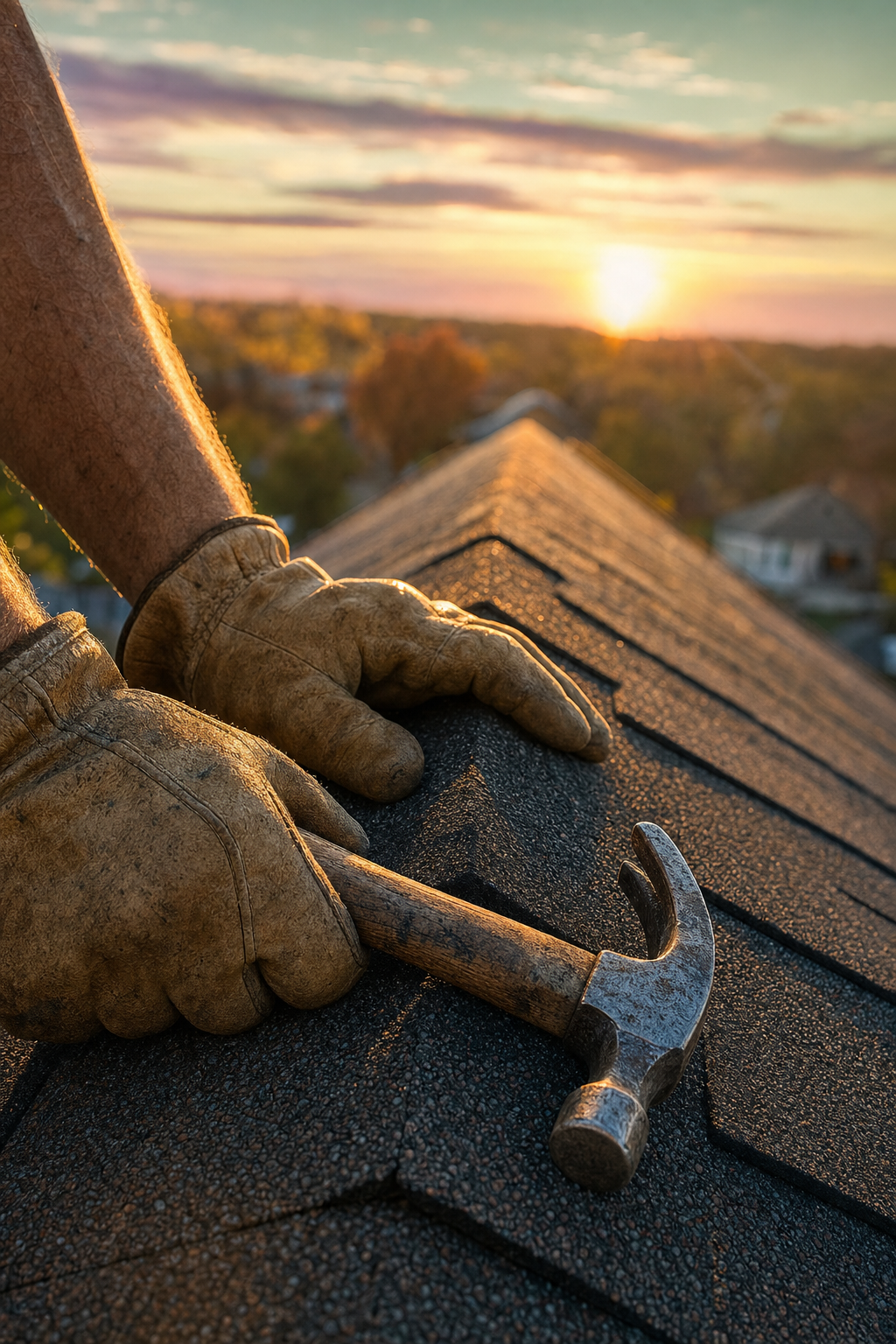
Transparency is a core tenet of our veteran owned business model. While we advocate for the longevity of these systems, homeowners must understand the potential drawbacks before signing a contract. The most frequent concern involves noise during heavy North Texas thunderstorms. A metal roof installed directly over open rafters is loud, but residential applications in Sherman involve solid wood decking, heavy underlayment, and attic insulation. These layers dampen acoustics, making the sound of rain nearly identical to what you hear with shingles.
Denting is a more practical concern in Hail Alley. While a Class 4 metal roof will likely never leak after a storm, it can suffer from cosmetic damage. This is a critical distinction because many DFW insurance policies now contain a cosmetic damage waiver. If the hail causes dents that do not penetrate the metal or cause a failure in the seal, the insurance company may deny the claim for replacement. When evaluating if is a metal roof worth it in Texas, you must review your policy for this exclusion. We utilize drone roof inspections to provide high resolution evidence of the exact nature of storm damage, ensuring your carrier treats the claim fairly. Our insurance claim expertise is particularly valuable here, as we can help you understand how your specific policy interacts with the physical realities of metal.
Finally, the installation requires a specialized skill set. You cannot apply the same labor techniques used for shingles to a standing seam system. The precision required for proper thermal expansion and watertight seams drives up the initial labor cost. While we offer financing options to help manage this, the need for expert craftsmanship is a non negotiable factor in the final price. A poorly installed metal roof will fail long before its time, making the choice of contractor as important as the choice of material.
HOA Rules and Texas SB 1212
Navigating Homeowners Association (HOA) regulations used to be the primary roadblock for Sherman residents considering a switch from shingles. Historically, many DFW neighborhoods banned metal based on outdated perceptions of industrial aesthetics. However, Texas Senate Bill 1212 changed the legal landscape by preventing HOAs from outright prohibiting metal roofs. This law specifically protects homeowners who select materials that are energy-efficient or offer high solar reflectance, ensuring that as long as the roof is designed to resemble traditional materials like shingles or high quality standing seam, the association cannot enforce a ban.
When determining if is a metal roof worth it in Texas for a home in a planned community, understanding these legal protections is vital. While the HOA can still mandate specific colors or profiles to maintain neighborhood harmony, they can no longer ignore the long term benefits of metal. Our team often assists clients by providing detailed material specifications and drone roof inspections to present a professional case to architectural review committees. We ensure your new system complies with both state law and local aesthetic standards, removing the final hurdle to a permanent roofing solution.