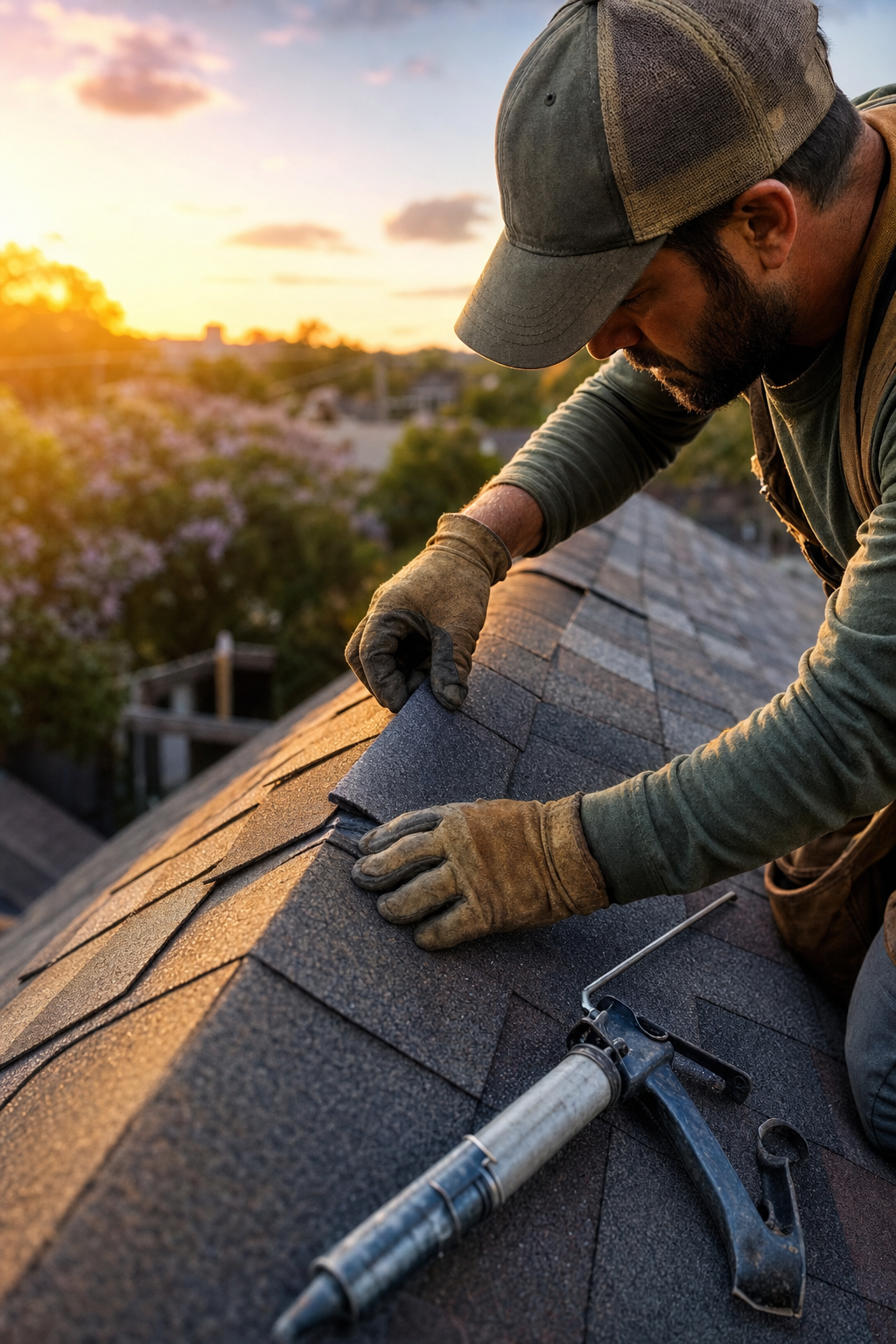
The roof replacement process what to expect involves a professional inspection, material selection, and the installation of new layers, which typically takes one to three days for most homes. This comprehensive timeline includes tearing off old shingles, repairing the underlying deck, and performing a final cleanup and quality walkthrough.
Realizing your home needs a new roof often follows a stressful North Texas hailstorm, leaving you to navigate a complex project that feels both urgent and overwhelming. For many homeowners in DFW, the primary concern is not just the cost, but the looming uncertainty of how a replacement will disrupt their daily routine. A roof is your first line of defense against the elements; therefore, understanding the logistical sequence is essential for a smooth transition. In this guide, we provide a professional roadmap of the entire process from a contractor's perspective. You will learn how to manage insurance claims efficiently, select materials suited for the local climate, and prepare your property for installation day. By the end of this walkthrough, you will have the clarity needed to oversee your project with confidence and ensure your home remains a sanctuary.
The North Texas Roofing Timeline: An Overview
Understanding the roof replacement process what to expect begins with a clear look at the calendar. In North Texas, our unique weather patterns, specifically the combination of intense summer heat and frequent spring hailstorms, dictate both the urgency of your project and the specific materials we recommend for long term durability.
For a standard 1,500 to 2,500 square foot home in Sherman or the surrounding DFW area, the physical installation of your new roof typically takes just one to two days. However, the comprehensive journey from the initial professional inspection to the final walkthrough and payment often spans two to four weeks. This timeline is primarily influenced by the insurance claim process and the scheduling of material deliveries.
While our crews work efficiently once on-site, we prioritize thoroughness during the administrative phase to ensure our insurance claim expertise is fully utilized and every detail of the damage is documented. As a faith based business, we believe in doing the job right rather than just doing it fast. This means allowing sufficient time for a proper assessment, material selection, and coordination with your carrier to ensure your home is restored to its best possible condition.
Step 1: The Professional Inspection and Damage Assessment
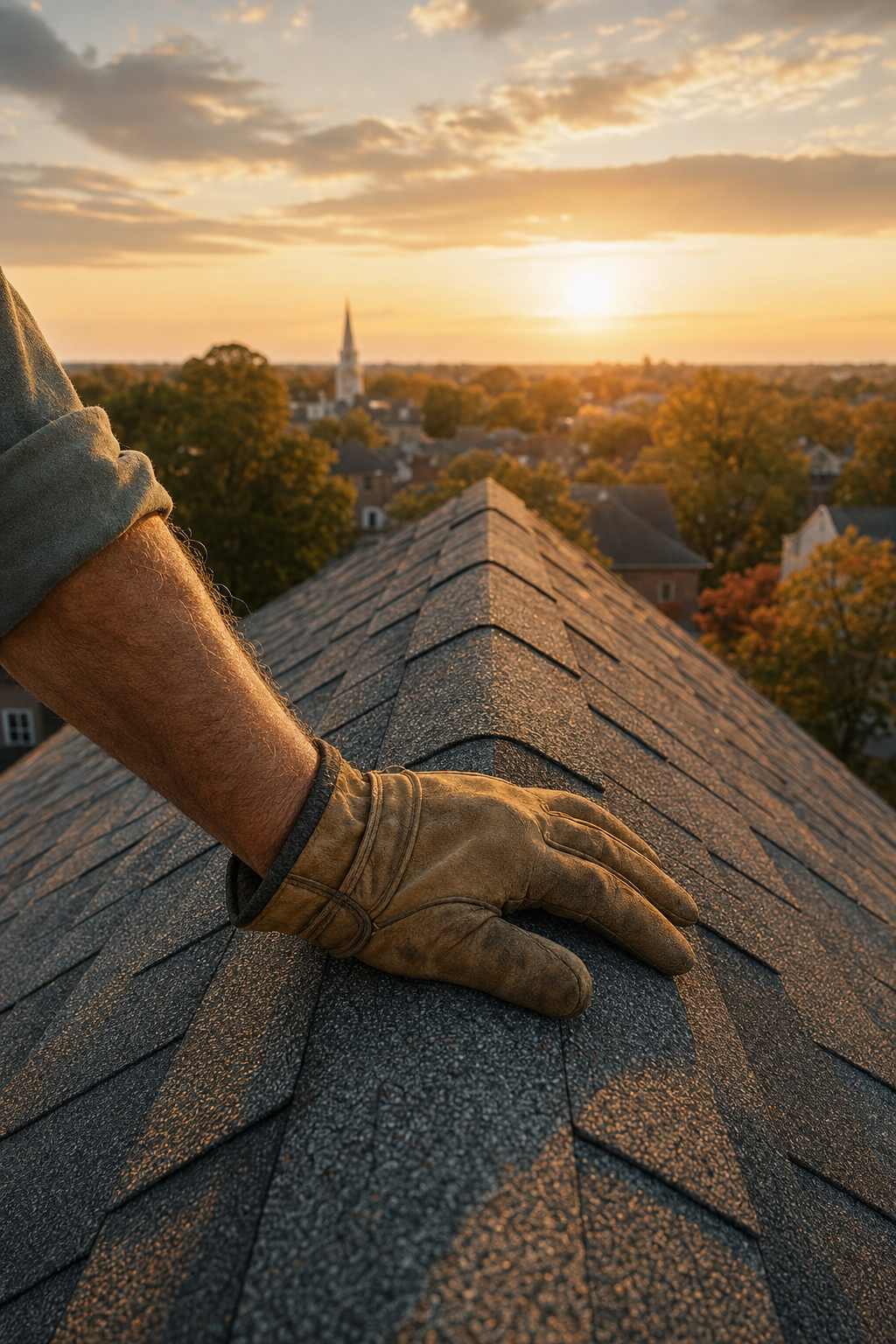
The first phase of the roof replacement process what to expect involves a comprehensive evaluation of your property. At Three Crosses Roofing & Restoration, we utilize drone roof inspections to capture high-definition imagery and precise measurements, ensuring every square inch of the roof surface is accounted for. However, technology is only one part of the equation. Our veteran owned team believes a manual inspection is irreplaceable for a true assessment of structural integrity. While a drone provides a great bird's eye view, it cannot feel for soft spots in the decking or the subtle textures of storm damage.
Our experts look for specific indicators of North Texas weather wear that often go unnoticed by homeowners. This includes checking gutters for excessive shingle granules, which signals that your roof has lost its primary defense against UV rays. We also look for wind lifted shingles where the adhesive seal has broken, allowing water to seep underneath during the next thunderstorm. Most importantly, we identify "bruising" on the shingles and underlayment. This occurs when hail strikes with enough force to fracture the fiberglass matting, a condition that eventually leads to leaks even if the shingle looks intact from a distance.
Our commitment to honesty is rooted in our faith based values. Because we are veteran owned and operated, we treat every inspection with the same integrity we brought to our service. If a localized repair can safely extend the life of your roof, we will recommend that instead of a full replacement. We only move forward with a total restoration when the damage is structural or extensive enough to warrant an insurance claim.
Step 2: Navigating the Texas Insurance Claim Process
Once we have documented the damage, the next phase of the roof replacement process what to expect is the insurance claim. For many homeowners in Sherman and the DFW metroplex, this is the most stressful part of the project. Dealing with adjusters and fine print can feel overwhelming, but our insurance claim expertise is designed to alleviate that burden and provide clarity.
The most critical moment in this phase is the adjuster meeting. When your insurance company sends a representative to your property, we make it a priority to be present on your behalf. Insurance adjusters often have dozens of claims to process in a single week; consequently, it is easy for them to overlook subtle bruising or specific flashing requirements in the heat of a busy season. By having our experts on the roof with the adjuster, we can point out documented damage in real time, ensuring the initial estimate is accurate and comprehensive from the start.
In North Texas, we also must navigate specific building codes, most notably the 25 percent rule. Per many local municipal codes in the DFW area, if more than 25 percent of a roof system is damaged or requires repair within a 12 month period, the entire roof must be replaced to bring it up to current safety standards. This is a vital piece of information that can mean the difference between a small patch job that might fail and a full, code compliant replacement that protects your property value.
As a faith based business, we prioritize integrity throughout these negotiations. We are not there to inflate a claim or create unnecessary conflict; instead, we advocate for the truth of the damage found on your home. Our veteran owned team believes in honest representation, ensuring your carrier provides exactly what is owed under your policy to restore your home to its best possible condition.
Step 3: Choosing Materials for the DFW Climate
The transition from paperwork to physical materials is a pivotal part of the roof replacement process what to expect. In North Texas, the environment is particularly punishing; our scorching summers and violent hail seasons mean that basic materials often fall short. We guide our clients through selections that prioritize long term performance over just aesthetic appeal.
Material / Component | North Texas Recommendation | Primary Benefit |
|---|---|---|
Shingle Type | Class 4 Impact Resistant | Hail resistance and insurance discounts |
Underlayment | High-Performance Synthetic | Superior tear strength and water barrier |
Ventilation | Ridge Vents or Solar Fans | Cooler attics and extended shingle life |
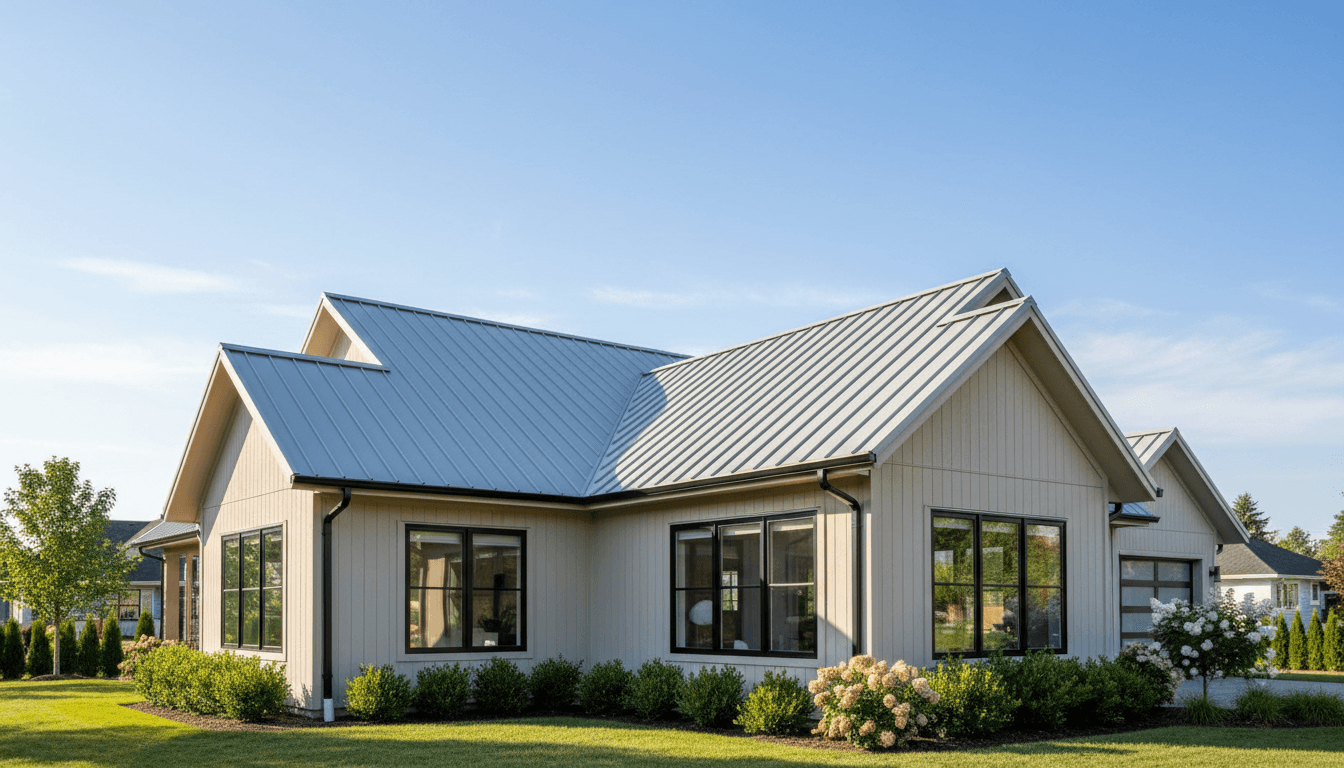
Metal Roofing | Standing Seam or Ribbed | Maximum durability and heat reflection |
For most Sherman homeowners, Class 4 shingles are the gold standard because they often trigger significant premium reductions from carriers. However, material choice is only half the battle. Proper ventilation is essential to combat the Texas heat, which can otherwise bake shingles from the inside out. You will need to choose between low profile ridge vents, which offer a sleek look, or traditional wind turbines that provide high volume airflow. We also recommend synthetic underlayment instead of traditional felt. It provides a much more resilient secondary water barrier that does not crack or absorb moisture. If the upfront cost of premium materials is a concern, we offer roofing financing options to ensure you do not have to compromise on your home's protection.
Step 4: Preparing Your Home for Installation Day
Once you have finalized your materials, the next phase of the roof replacement process what to expect is physical site preparation. A roofing project is a major construction event; taking a few proactive steps ensures the safety of your property and our crew. Because we approach every job with the discipline expected of a veteran owned company, we appreciate when a site is organized for maximum efficiency.
We recommend following this checklist the day before we arrive:
Clear the Driveway: Move all vehicles to the street. Our teams need space for heavy equipment and debris trailers. This also protects your cars from falling shingles or stray nails during the tear-off.
Secure the Perimeter: Move patio furniture, grills, and children’s toys well away from the house. While we use specialized equipment to catch debris, a clear workspace prevents accidental damage to your outdoor belongings.
Protect the Attic: Tearing off old layers creates significant vibrations. If you have fragile items or heirlooms stored directly under the roof deck, move them or cover them with plastic to shield them from falling dust and debris.
Alert Your Neighbors: Out of professional courtesy, notify those living nearby. There will be significant noise and increased commercial traffic for the duration of the project.
Homeowners often ask if they should stay home during the installation. You are welcome to remain on-site, but please be aware that the environment will be very loud. If you work from home or have pets sensitive to noise, you may prefer to spend the day elsewhere while the heavy lifting occurs.
Step 5: The Installation Process: Tear Off to Ridge Caps
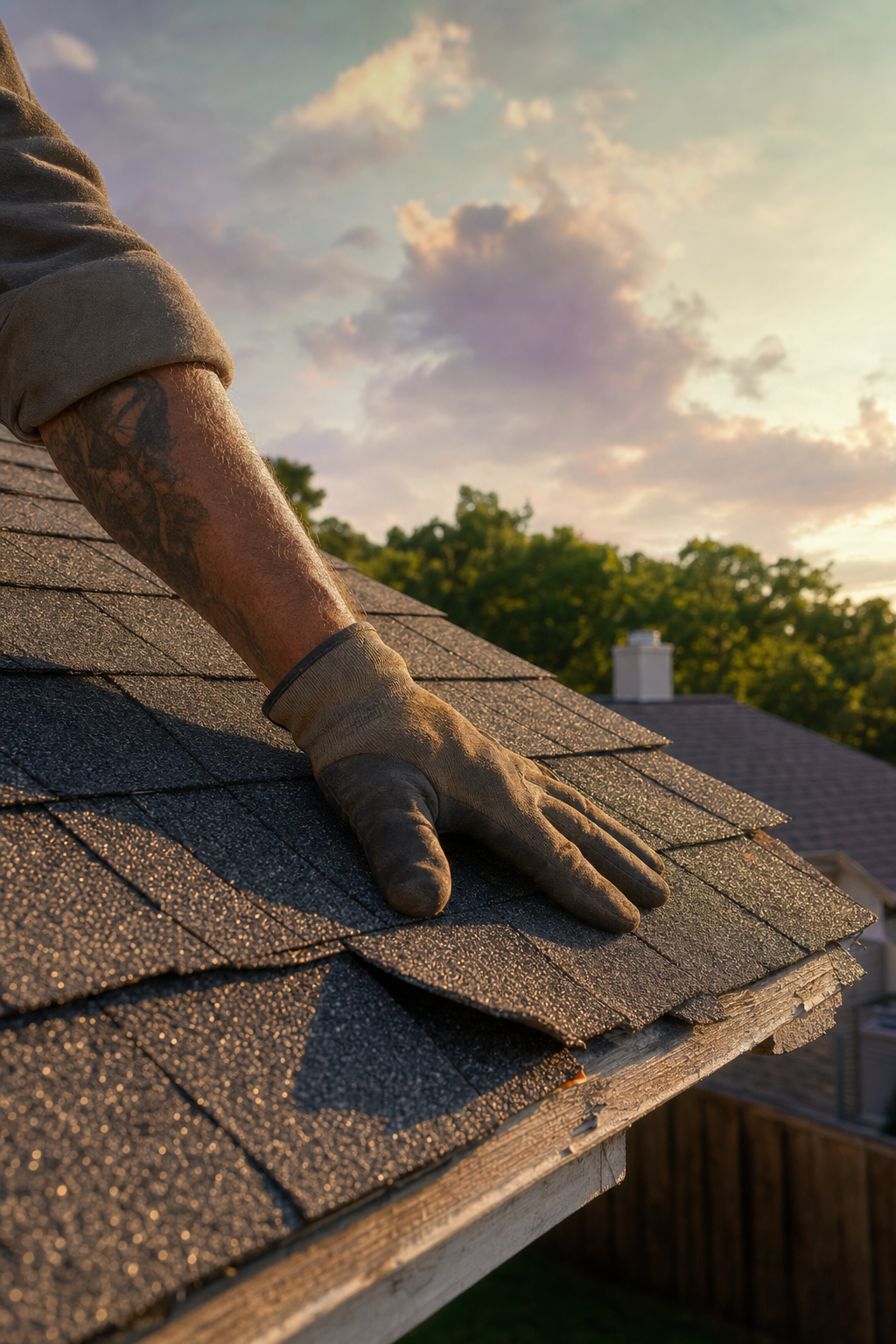
When our crews arrive on installation morning, the transformation begins with a complete tear-off. We do not install new shingles over old ones; we strip the roof down to the wooden decking to ensure a stable foundation. This is a critical point in the roof replacement process what to expect because once the decking is exposed, we often find hidden issues. In many older homes across Sherman and the DFW metroplex, "decking rot" is a frequent discovery. If we find soft or water-damaged plywood, we replace it immediately. Slapping new materials over rotten wood is a failure of integrity that we do not permit.
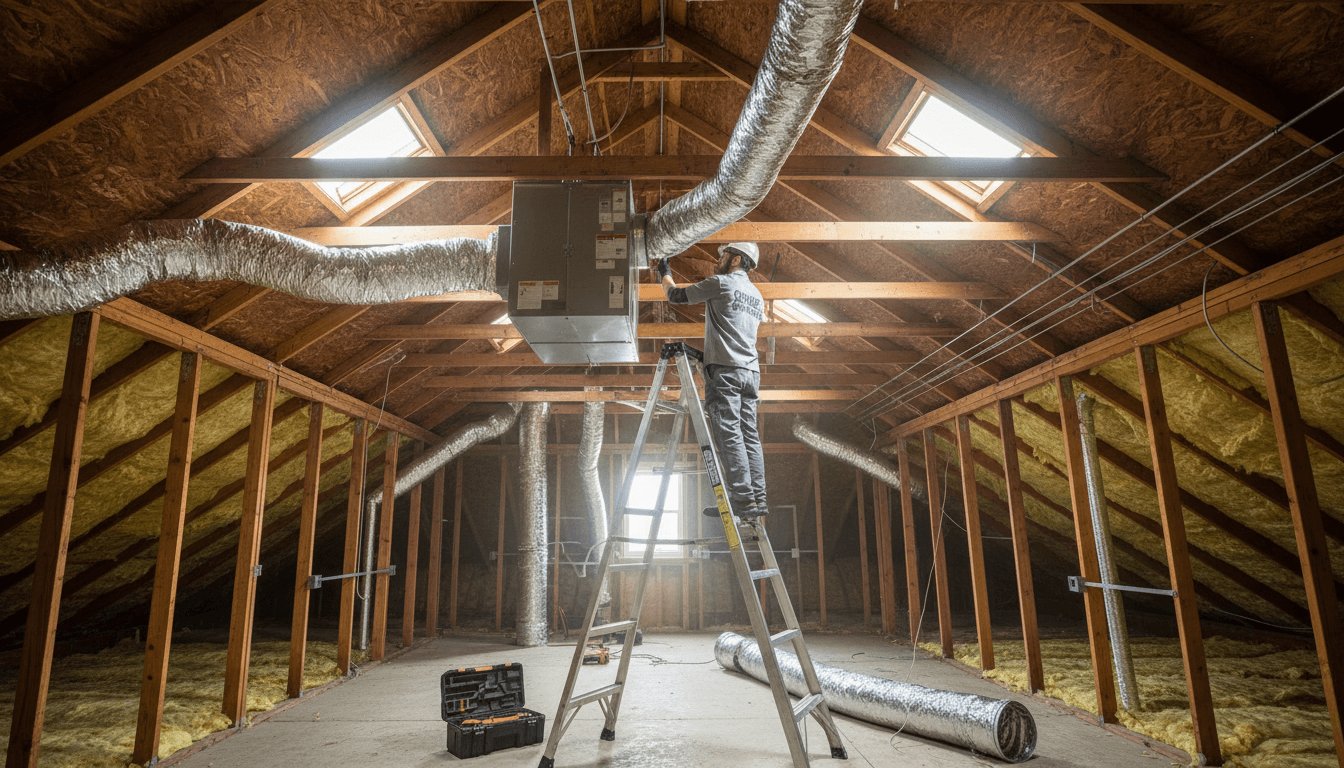
Once the deck is sound, we begin the specialized restoration process. Our crews are specialized in comprehensive restoration, meaning they focus on the entire roofing system rather than just the top layer. We start by applying a leak barrier, often called an ice and water shield, in high-risk areas like valleys, chimneys, and skylights. Next, we roll out the high-performance synthetic underlayment across the entire surface. We also install or replace metal flashing around transitions to prevent water intrusion. This layered approach is what separates a professional restoration from a simple shingle job.
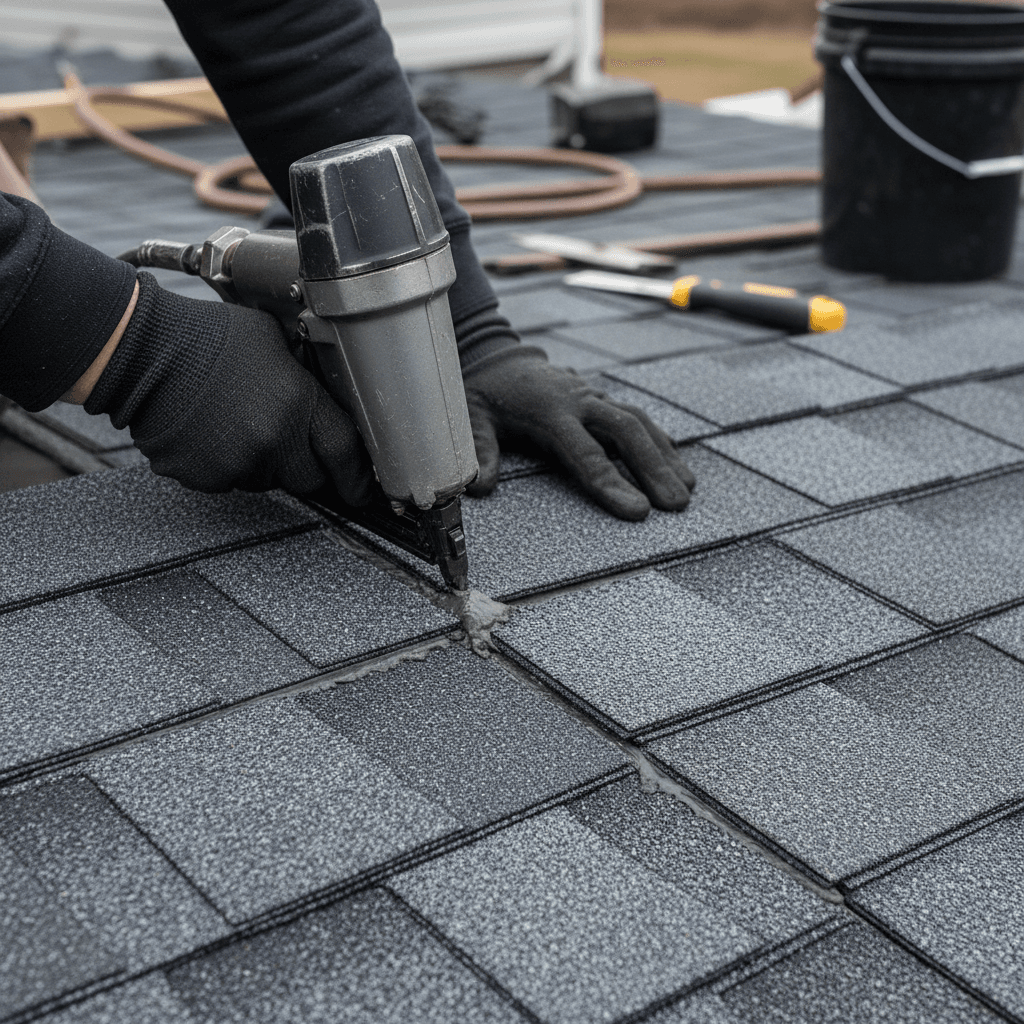
Finally, the shingles are precision-fastened, followed by the installation of the ridge caps. These caps are the final pieces that run along the peaks of your roof, providing a finished look while protecting the most vulnerable joints. Because we are a veteran owned company, we maintain a strict standard of craftsmanship throughout this entire sequence. We focus on building a system that will withstand the next North Texas storm rather than just providing a quick cosmetic fix.
Step 6: Cleanup and the Final Walkthrough
Once the last ridge cap is secured, our focus shifts to restoring your property to its original state. A roof replacement generates thousands of nails and significant debris. For families in Sherman with children or pets, we understand that safety is a top priority. Our crews utilize high power magnetic nail sweeps, running them across your lawn, driveway, and landscaping multiple times to catch stray fasteners that missed the collection tarps. We take pride in leaving your property cleaner than we found it.
The final walkthrough is where our veteran owned attention to detail is most visible. We perform a meticulous inspection of every roof penetration, including pipe boots, ventilation systems, and chimney flashing. Our experts ensure all seals are watertight and that the installation meets our strict craftsmanship standards. We do not consider the project finished until the job site is pristine and every detail of the scope of work is verified.
Completing this phase allows us to submit a certificate of completion to your carrier. This documentation is necessary for the release of depreciation, which is the final portion of your insurance payout held back until the work is physically finished. Utilizing our insurance claim expertise during this final administrative step ensures you receive the remaining funds needed to settle your account, providing a seamless conclusion to the roof replacement process what to expect.
Understanding the steps involved in a roof replacement ensures you are prepared for every phase of the project. While knowing what to expect can ease your mind, managing the details of a major renovation is often a complex task. If you want expert help navigating the restoration process or need assistance with your insurance Claims, our team is here to support you. We prioritize quality and communication to ensure your North Texas home stays protected throughout the entire project.